From Petrichor, Pittsburgh’s art scene magazine: A photog. review by Emma Riva

I have long admired the art writing and advocacy of Emma Riva, Petrichor’s founder and editor-in-chief. After reading this exhibit review, you’re going to want to follow Petrichor and everything Emma does! Click below…

A little more from Emma about Pittsburgh’s art scene and her place in it:

“I do know one thing, whether Pittsburgh is in the Midwest, Appalachia, or the Mid-Atlantic, Pittsburgh is home. And something great is happening here.  My writing background is in the novel, and I’ve struggled with whether being an art critic and being an author are mutually exclusive. But maybe I was never meant to tell stories by myself. This magazine is the novel of our art scene here in Pittsburgh. I want us all to create it together.”

“My photos are already out there waiting for me…” Photography by Jason Irwin

A black and white photograph of a Westfield, NY, lake, featuring small houses along the water and bare trees that are reflected.

Thank you, thank you to Jason Irwin, who kicks off a series of guest posts at Rust Belt Girl, and to you, for being here! What is a Rust Belt place–and who defines the perameters? What does post-industrial mean today? What are a place’s histories, characteristics, and quirks–and how have they shaped its people and its art? How have they shaped the stories we tell, and what have those stories meant for Grit Lit and Rural Noir writing and for other mediums of creative expression? For this series, I suspect we will get some fascinating answers to these questions and many more I haven’t thought of.

A guest post by Jason Irwin

Though I have used film in the past, as well as digital cameras, I consider myself an amateur. I owned a flip phone for 22 years but finally gave in and bought a smart phone during the summer of 2024. Do I love my smart phone? Well, no, but it makes life easier, and I do love the camera feature.

I believe my photos are already out there waiting for me to stumble upon. I like taking photos of people naturally, most often without them knowing I’m taking their photos. I prefer them off-center. I also like wide-open, desolate landscapes and cityscapes: derelict, sometimes abandoned buildings, windows, doorways, big skies, fields, and bodies of water. My hometown of Dunkirk, New York, is a perfect place for such photos. I hope the three photos in this post show this. 

A black and white photo of a vintage boutique called Serendipity. There are headless, dressed mannequins in the window, along with a decorated Christmas tree.

Serendipity, the storefront boutique in Madison, Indiana, looked lost in time to me, as my wife and I drove past. Maybe not in the 50s but still lost in time. Using the grayscale setting on my Samsung smartphone ads to the notion that this photo is older than it appears. Madison is her hometown, or rather Deputy, an unincorporated rural community about 18 miles northwest of Madison. Just outside the borders of what the Britannica website’s map marks as the Rust Belt. Madison was first settled in 1805, five years before my hometown of Dunkirk. Though not a Rust Belt town, Madison, like Dunkirk, was once a railroad town. The Madison and Indianapolis Railroad was completed in 1836. The first train stopped in Dunkirk on May 15, 1851, and at the time it was the last stop on the New York and Erie Railroad. 

A color photo features a brick building adorned with a colorful mural. The mural features a young, dark-skinned girl in pigtails with a white dress on. Outlines of various African and Latine countries adorn the mural, as does a tree held up by many hands.

I chose color for the photo of the old Regent movie theater, which closed in the late 1980s, but still stands, minus its marquee, on the corner of Washington Avenue and Third Street in Dunkirk, because of the recent addition of the mural, which pays homage to Dunkirk’s Hispanic and African American communities. As a child I went to the Regent, owned by Mr. Burget and his sad-eyed basset hound, to see movies like Back to the FutureE.T., and Rocky II. Many nights my mother would have a craving for popcorn, and she’d park our car out front and send me in to the concession stand to buy a large tub with extra salt and butter and then we’d go home and eat it while watching TV.

A black and white photo features a harbor, located in Barcelona, NY, dotted with small buildings and lined by bare trees, which are reflected in the still water.

The harbor in Barcelona, New York (a former fishing hamlet a few miles north of the village of Westfield), was where one of the scenes from the 2020 movie A Quiet Place Part II staring Cillian Murphy was filmed. Besides its huge commercial fishing industry that died out in the 1970s, the area is home to various wineries and agriculture, including Welch’s Grape Juice. Just out of frame to the left, up a small hill sits the Barcelona Lighthouse. Built in 1829, it is the first gas-powered lighthouse in the world. My father was born next door in the lighthouse keeper’s cottage in 1941. The grayscale setting gives this photo an eerie presence, but I love how the trees reflect in the water.


Photographer and author Jason Irwin looking straight into the camera.

Jason Irwin is the author of three full-length poetry collections, most recently The History of Our Vagrancies (Main Street Rag, 2020), and the memoir These Fragments I Have Shored, forthcoming from Apprentice House Press. In 2022 he was a Zoeglossia Fellow and took part in the Poetry Foundation’s Disability Poetics Project. 

https://jasonirwin.blogspot.com/


Like this post? Comment below or on my FB page. And please share with your friends and social network. 

Are you a Rust Belt writer interested in seeing if your own post, or author interview, or book review might be right for Rust Belt Girl? Hit me up through this site’s contact function.

Check out my categories above for more guest posts, interviews, book reviews, literary musings, and writing advice we can all use. Never miss a post when you follow Rust Belt Girl. Thanks! ~Rebecca

Enter your email address to subscribe to this blog and receive notifications of new posts by email.

Literary citizenship alive and well, Twit*er as ‘dead’ emoticon, and bonus Europe pics for playing along

We’re no longer tweeting, we’re xeeting—writer Amber Sparks might have coined that–and the literary landscape has changed, yet again. What used to provide a good social media home for the #writingcommunity now feels like a hut, maybe a hovel. The best writerly take I heard was from writer Anna Gazmarian (I think), who said the X logo that replaced the cute blue bird reminded her of some boutique hotel she couldn’t afford. I look at the new logo and can see nothing but the emoticon for “dead”: Xs for eyes. But so long as there are writers connecting, there will be a writing community. Really, the literary landscape is always changing, and one certainly can’t rely on a social media site for real connections (except for maybe this one).

I talk a lot about literary citizenship but don’t often talk about what it looks like in practice. It definitely has a lot to do with reading and reviewing the work of other writers, but that’s just the beginning. To be clear, it has little to do with getting an MFA, for that paper in a frame on my office wall has played no part in most of the connections I’ve made in the writing community. So, a few on-the-ground examples:

Not long ago, I braved the open-mic at one of my favorite literary conferences and read a prose poem I was working on, called “Jesus, My Son’s Buckteeth.” (Clearly I’m staking out the fertile publishing ground of: Is she religious or just ignorantly blasphemous? Let’s just keep them guessing.) The poem needed a little work but it was getting somewhere interesting, capturing a complicated mother-love characterized now by running the kids to ortho appointments and no longer by rocking them to sleep. After the open-mic, a writer friend who is also an editor of a wonderful poetry journal said I might consider submitting it. I re-worked the poem, with the help of my trusted writing group, sent it off, and crossed my fingers. It was accepted–but this isn’t where the story of literary citizenship stops. I made sure to attend the online issue launch, and as I scanned all the names and faces in Zoom boxes, I recognized the name of one of my undergraduate writing teachers, who is also a poet. I used the chat function to say hi, and she remembered me, 20+ years on!

Sometimes it’s about saying hi to someone who may or may not remember you. Sometimes it’s saying yes to the the next generation of writers when you might rather be making Christmas cookies. OK, I’ll back up. A writer friend of a writer friend asked if I’d judge the 2022 AWP Intro Journals Project awards for creative nonfiction. When I could have been making cookies over my winter break, I was reading essays from MFA students, more than 60 of them: reading, re-reading, and picking my winners from so many admirable essays. But that wasn’t the end of the connecting. Long after the winning essays were published in university-run literary journals, one of the writers reached out. She was in the throes of preparing to turn in her thesis before graduation, but she wanted to take a moment to thank me for helping her feel like a writer with that award. I remembered her essay: it was excellent and showcased her journalism chops. I fact, she’d had a career before retiring and pursuing an MFA in creative writing–a time where you’re always a student no matter your age or experience. I told her I’d love to see an essay about just that, and I hope I do.

So, sometimes literary citizenship is leaving the door open for more, is encouraging personal history and story to be shared. Sometimes it’s just saying: you’re writing, I’m reading, and I’m so happy to be sharing this connection. Love a book? Tell the author.

And then there are so many more examples: the blogging friendships that started right here and have turned into real-life and writing-life friendships and critique groups and beta reading relationships. 

Like any deep relationship, cultivating literary relationships does take time. Being a good literary citizen requires that you know the writing world and its players. What time I once used to doom scroll on the bird site I hope to devote to this blog. In a few days, my boys and I leave for our summer break in Northern Ohio, and I have a stack of Rust Belt lit to bring with me. I hope to get back to you here with a couple reviews and an author interview this fall, so stay tuned. 

What are you reading and writing this week, this weekend? Want more stories from me, or author interviews, book reviews, guest posts, more? Follow me here:

Enter your email address to subscribe to this blog and receive notifications of new posts by email.

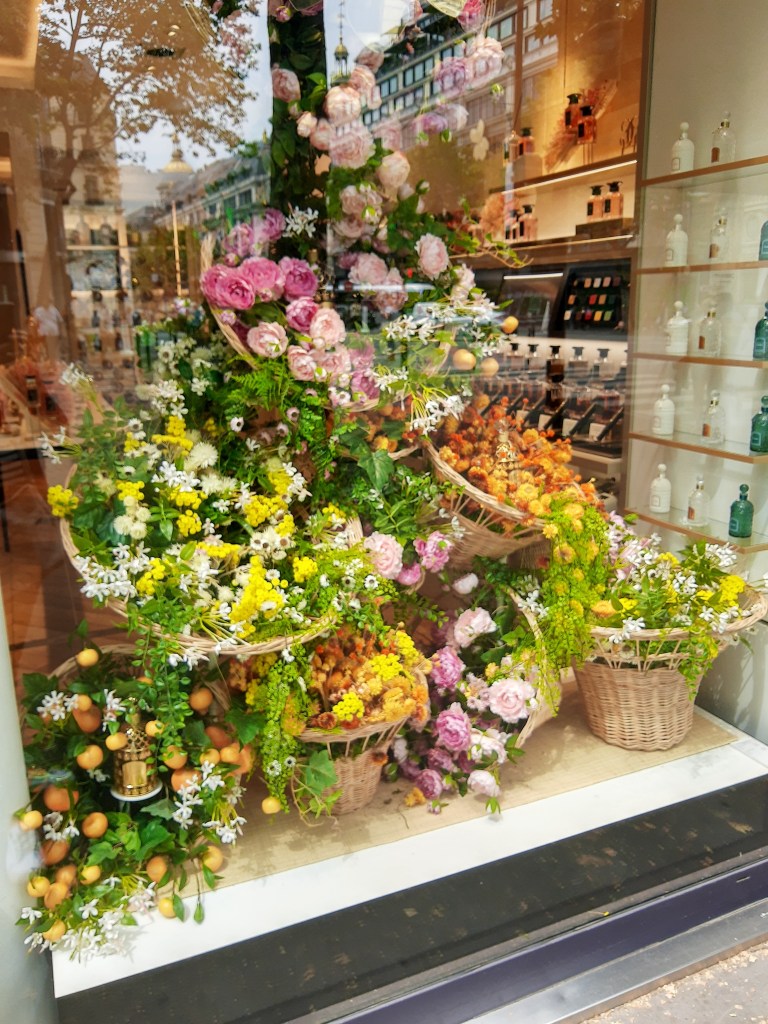
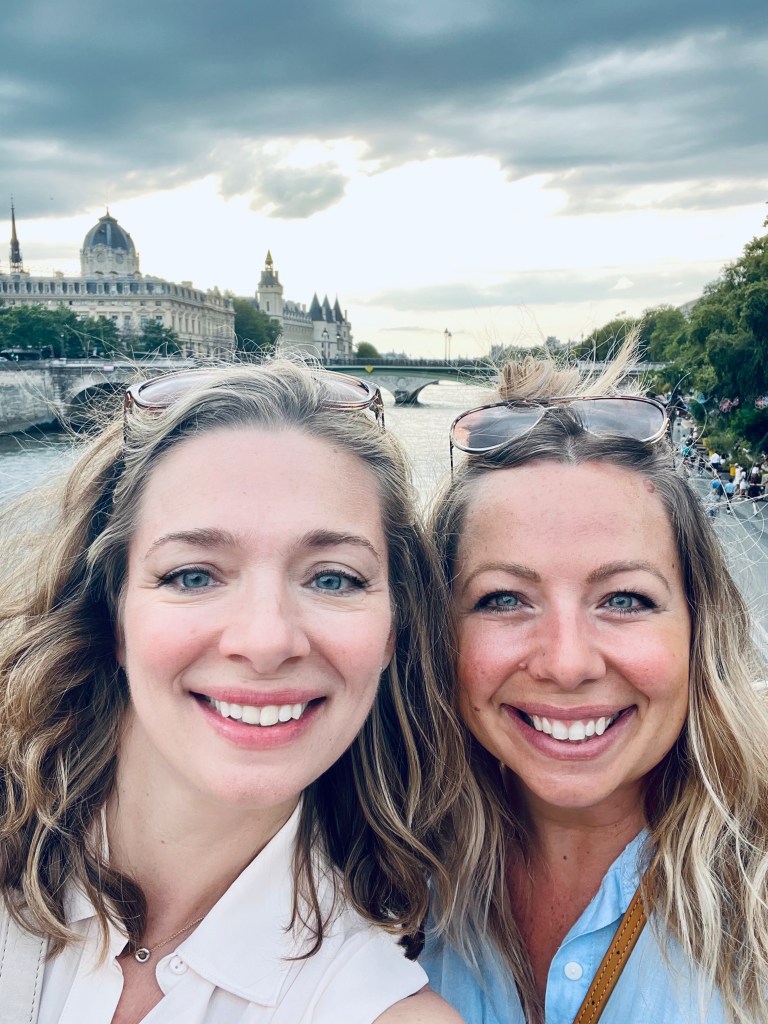
If you follow me at FB or IG (@MoonRuark), you’ve been inundated with photos from my European vacation in July. The most Rust Belt-ish place: Vigo, Spain–industrial, historical, and wonderful. A few pics for those who haven’t had enough (in order: Paris’ Eiffel Tower (of course), a pretty shop window, the D’Orsay Museum, and us sisters by the Seine; Barcelona hills and palm trees and basilica; Vigo’s cathedral; and a view of the Spanish countryside from Valenca, Portugal:

What I did this totally unlazy Rust Belt summer…

I take umbrage with whomever coined the phrase “lazy days of summer.” And I might demand a refund. Except, while my summer has been anything but lazy, it has been fun.

After a little hiatus I return to you loveliest of followers with Rust Belt pics and books–and news of a reading in one of my favorite port cities (and rollercoaster capital), Sandusky, Ohio.

Off to OHio

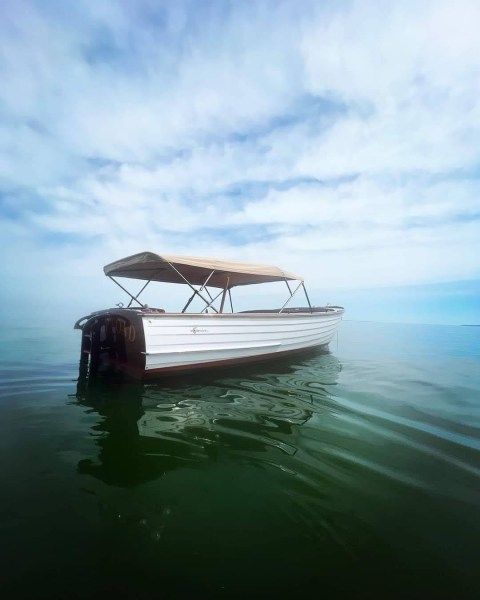
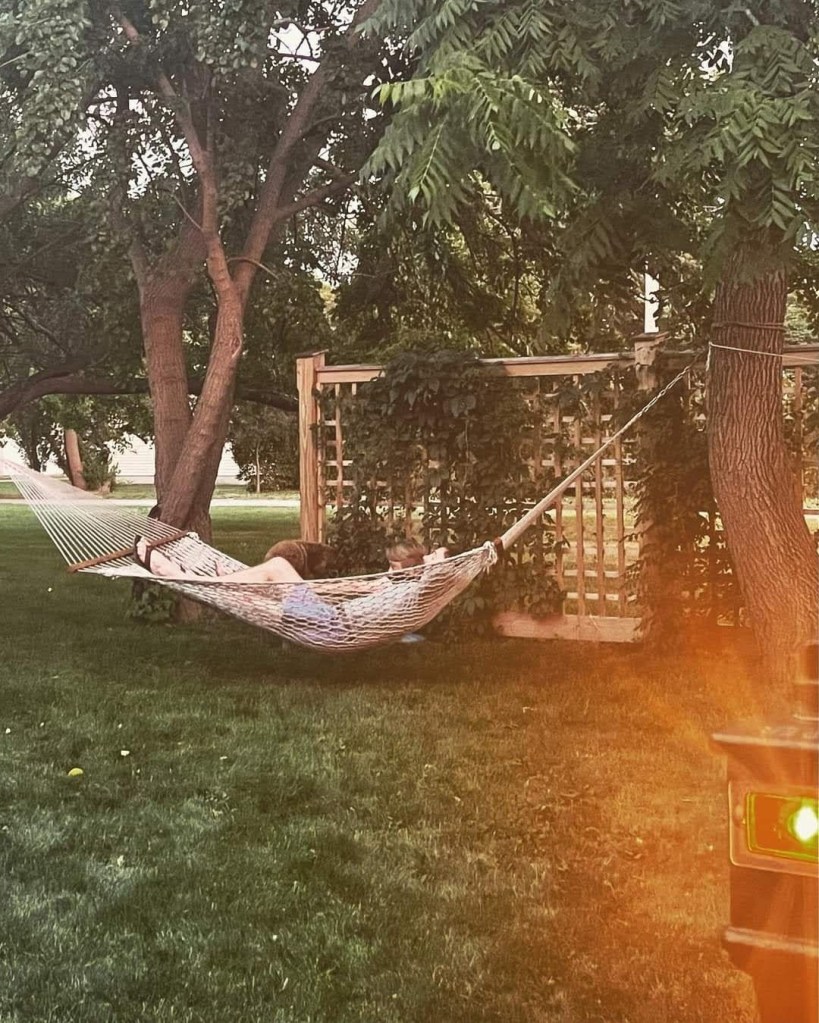
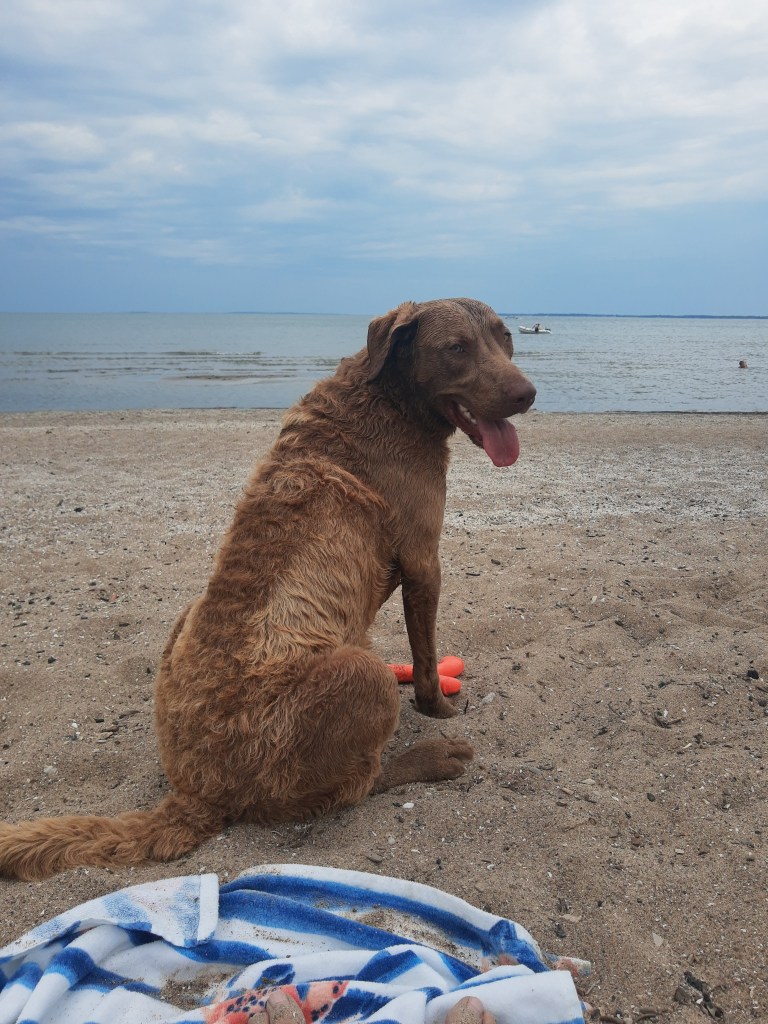
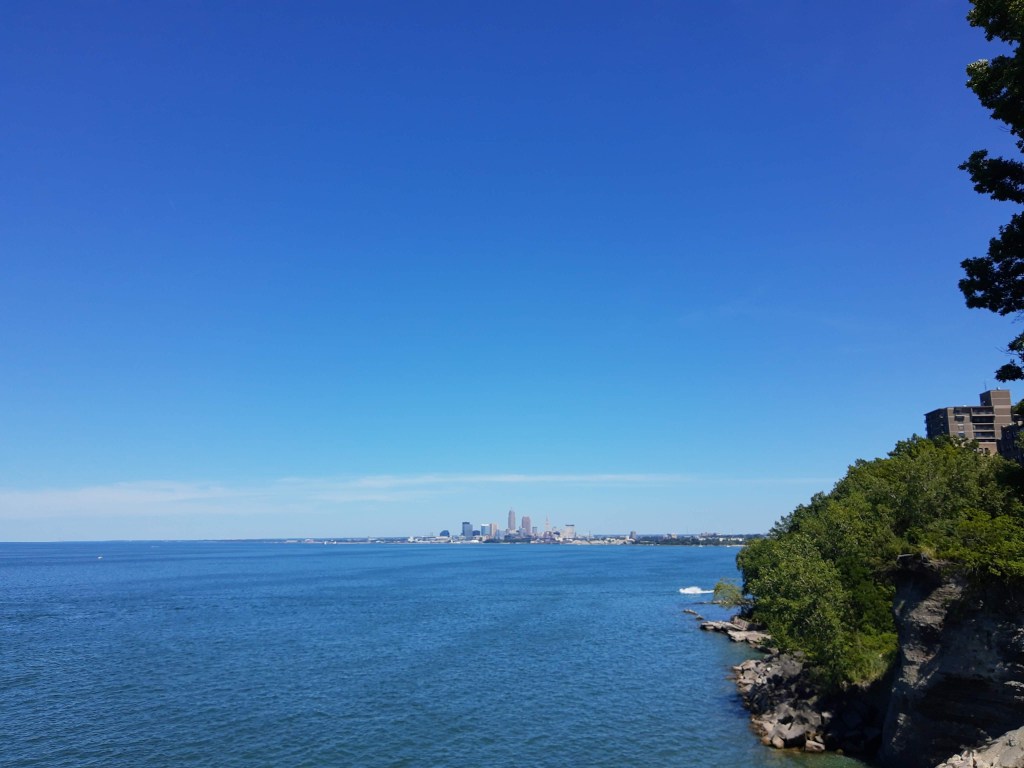
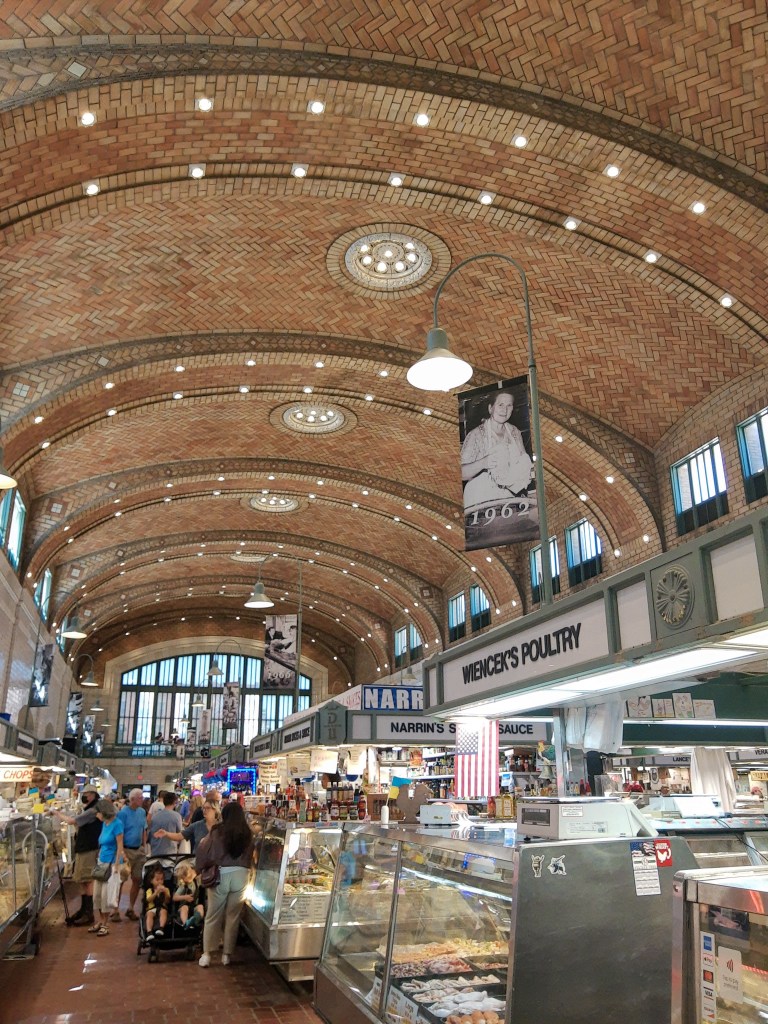
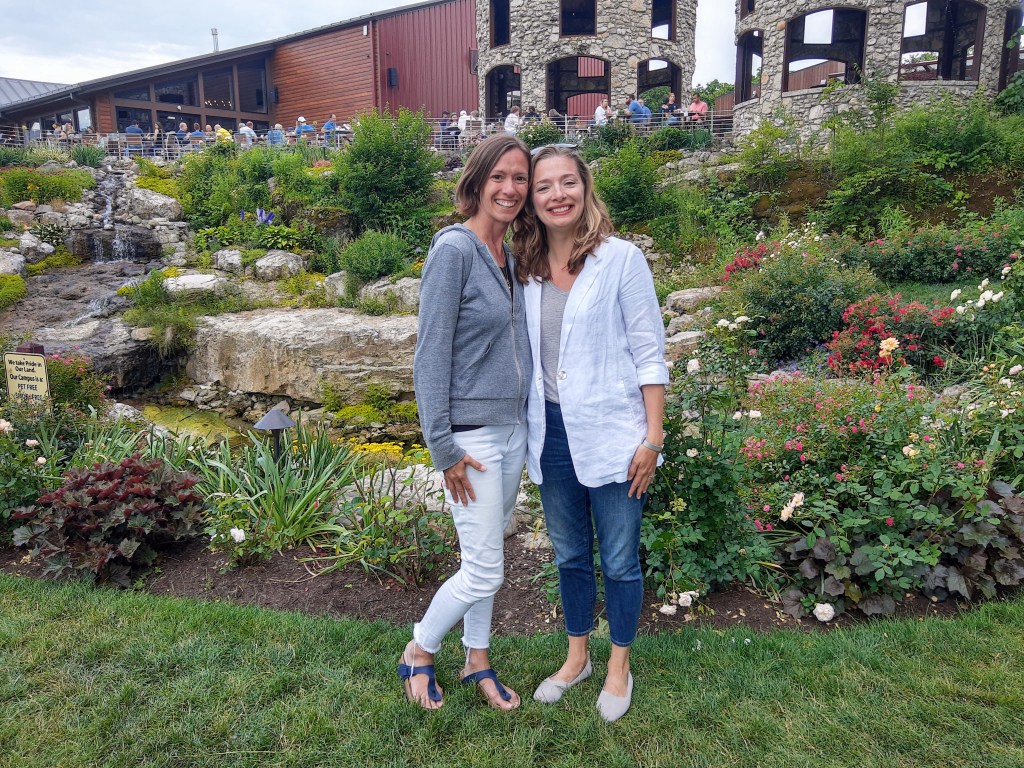
The fam and I headed to Port Clinton, Ohio, walleye capital of the world–don’t fight me on this, MN friends–in June. Sailing for my little guys, boating for the rest of us, swimming, sisters-lunching, friends reuniting, and plenty of hammock-ing and back porch-sitting were the highlights. Of course, no visit to Northern Ohio is complete without a trip to Cleveland and a visit to the West Side Market. And who could forget Rufus, who lived his best Lake Erie Shores & Islands life for a week. Boat aficionados, make sure to check out my dad’s antique Lyman boat above, his fourth child basically. Boat name? Hoptoad, named for Pippi Longstocking’s father’s ship in the favorite book series. (Who woulda thunk I’d become a writer?)

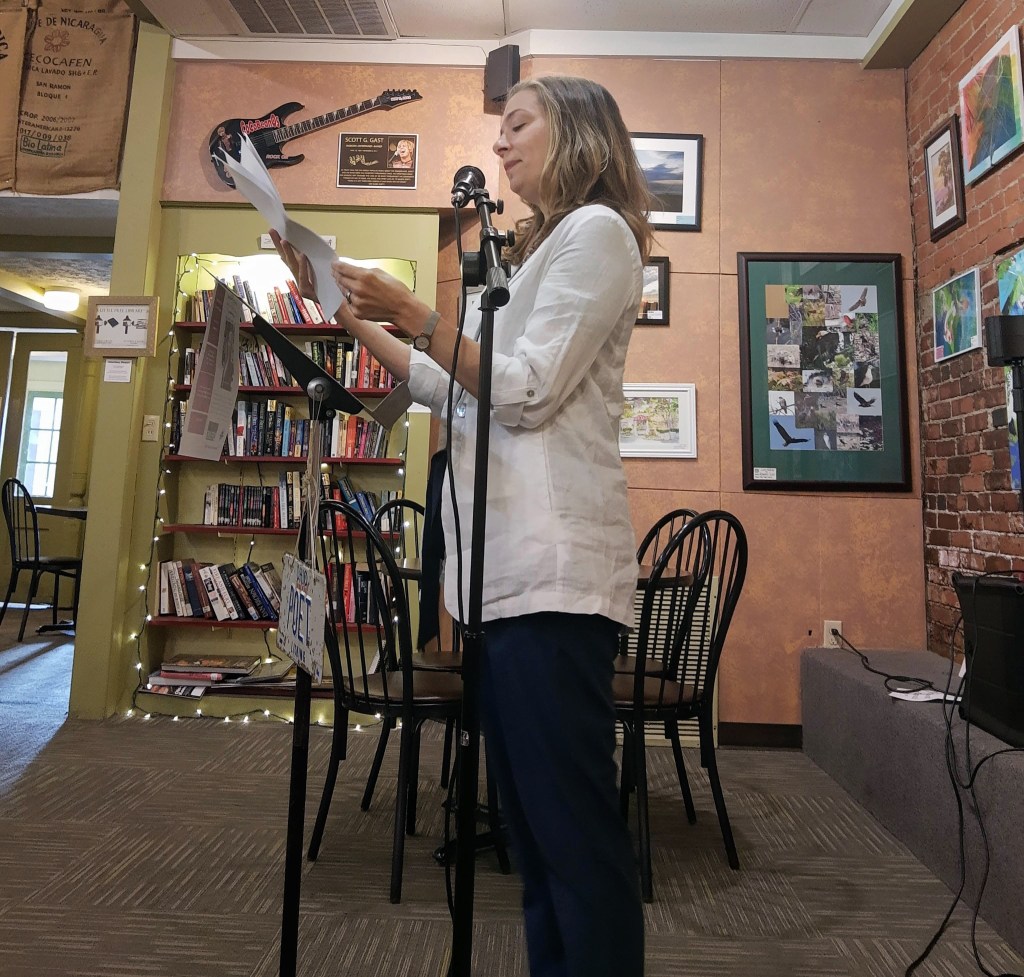
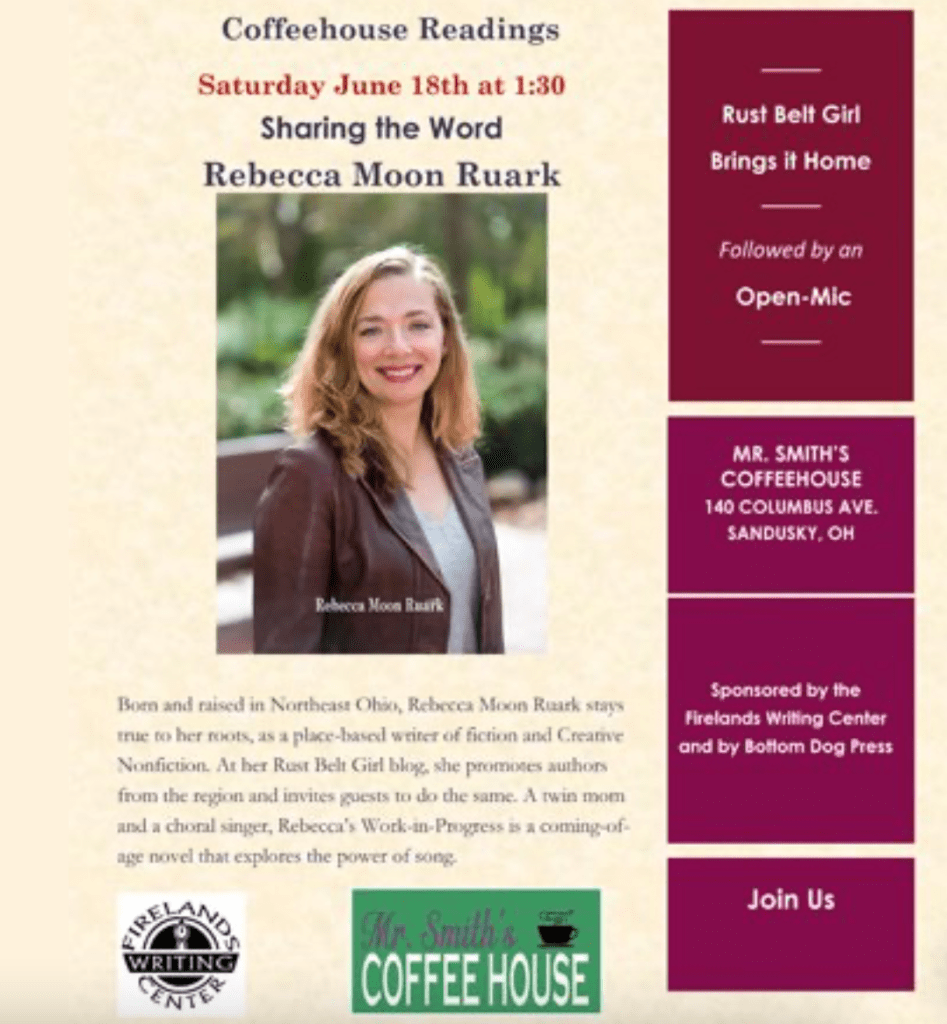
While in the area, I had the honor of serving as the featured reader for the Firelands Writing Center’s monthly reading series in Sandusky. Thank you again to fearless leader Larry Smith and his Bottom Dog Press for sponsoring the event (and putting me on a flyer–that doesn’t happen often). I read some older work and some newer pieces from my WIP, a coming of age novel partly set in Ohio that explores the power of song. And thanks to those who came out (or in) on a beautiful afternoon to share their own work with the group. It felt very much like home. (Flyer photo credit: @melanieraebuonavolonta)

Reading the Rust Belt…

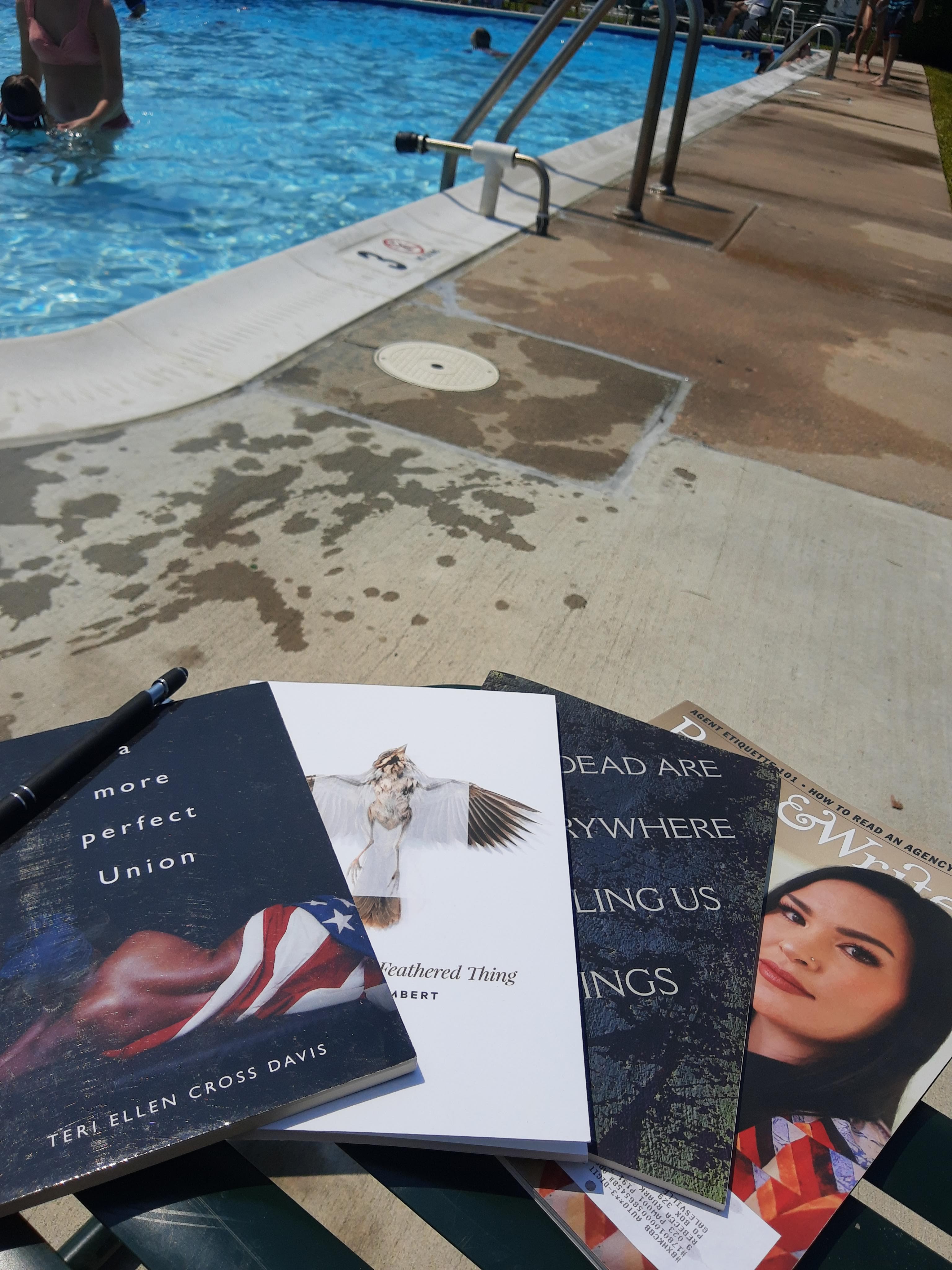
Of course, I’ve fit in some Rust Belt reading. And who said summer reads can’t be deep? Poolside poetry is just my speed, and here are a few I’ve enjoyed immensely: Cleveland native Teri Ellen Cross DavisA More Perfect Union; Columbus, Ohio, poet Paula J. Lambert’s The Ghost of Every Feathered Thing, and Erie, Pennsylvania, poet Sean Thomas Dougherty’s The Dead are Everywhere Telling Us Things. Btw, if we’re not connected on Goodreads, where I recently reviewed another poetry collection, let’s do!

And Beyond

There’s an old, writerly adage that says if you’re talking about it you’re not writing it. So, let’s just keep all our fingers and toes crossed for my WIP as I begin to query literary agents for it this fall.

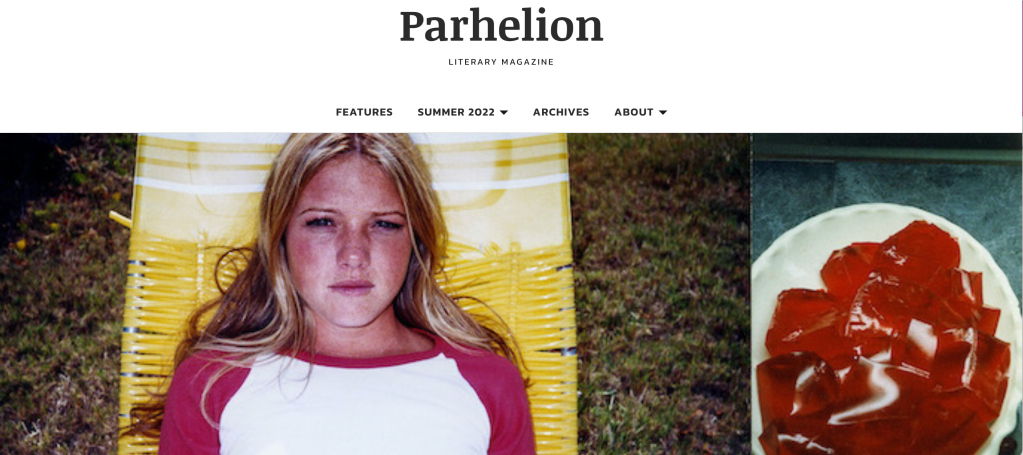
Unfortunately, there’s no adage I know of that says if you’re talking about your editing you’re not working on it. But what would be the fun in that? You may know I’m the associate editor of Parhelion Literary Magazine, in charge of the features department. How I love my craft essays, book reviews, and author interviews! But you might not know that I got that gig because the magazine’s editor-in-chief saw what I was doing right here on Rust Belt Girl and wanted some for her Richmond, Virginia-based online publication.

In addition to editing features for Parhelion, I’m a reader for fiction. (If you aspire to write literary fiction, creative nonfiction, or poetry, there is no better way to become better at it than to read literary journal submissions, imho.) Parhelion’s summer issue (our journal’s 14th–not too shabby) launched this week. If you like fresh and bold fiction, CNF, and poetry I hope you’ll check it out.

Parhelion Literary Magazine

Summer 2022 Issue

Looking Toward Fall

Must we? OK, I suppose the pool days will come to a close. My small guys (who are quickly catching up to me) will head back to school. And I will start packing for the literary highlight of the season, Lit Youngstown’s Fall Literary Festival. If by some strange occurrence you live within driving distance of the festival and I haven’t hit you up, my apologies. This is the best literary conference of the year–if you like a supportive community, generative workshops, eye-opening and ear-bending panel discussions, inspiring readings, and affordability. Oh, and this year’s book fair promises to be the best yet. Also, there will be bowling and films. So, what are you waiting for? The Rust Belt calls.

And that, most patient of readers, is what I’ve been up to. But, as blogging is a two-way street, let’s keep the convo going. What has your summer looked like–or whatever season it is where you hang your hat? Where are you visiting. What are you writing, reading, and discovering? Do tell!

Want more Rust Belt writing, author interviews, book reviews, writing advice, and more? Check out the handy categories above.

Find me on FB and on IG and Twitter @MoonRuark

And follow me here. Thanks!
Enter your email address to subscribe to this blog and receive notifications of new posts by email.

Reality, layoffs, and all the rest, bite: Discover Prompts, Day 11

Photo credit: Erik Drost / CC BY (https://creativecommons.org/licenses/by/2.0)

What doesn’t bite? A surprise gift. One of my favorite surprise gifts I received this past Christmas was a book (shocker, right?): Cleveland Then and Now by Laura DeMarco, with Now photography by Karl Mondon.

The large-format book celebrates the storied history and vibrant present of my home city of Cleveland. (Granted, I grew up in Cleveland’s hinterlands, but Cleveland–and especially its Playhouse Square, where I danced with the School of the Cleveland Ballet–has my whole heart.) Having left home at 19, I now have lived longer away from Ohio (and below the Mason Dixon, God forbid) than in Ohio. Still, I consider it home.

Much of my Christmas afternoon was spent poring over the landmarks in this book. There’s Cleveland’s most beautiful building, the historic Cleveland Arcade (pictured below), where my dad worked for a time; hippie haven Hessler Road, where my mom lived when in college; Little Italy, where my parents married at Holy Rosary Church; the Cleveland Museum of Art; Playhouse Square, the largest center of performing arts between New York and Chicago; the Streamline Moderne Greyhound station, which I rolled in and out of on trips home from college in Virginia; and much more.

Image by David Mark from Pixabay

The book’s author: arts and culture reporter and editor for the Plain Dealer–Cleveland’s newspaper of record–a reporter who specialized in local history and lost landmarks in the city. As many newspapers have, my hometown paper has seen its share of layoffs in recent times. Then, just last month, the news about more layoffs started coming fast and furious into my Twitter feed. Or more aptly put in this article with all the ins and outs: it was a “gutting” of a newsroom and a sure blow to journalism and journalists the Northeast Ohio community relies on. When remaining journalists were faced with losing their beats and told they would no longer be able to cover the city, a round of resignations yesterday included that of DeMarco.

Since the coronavirus reared its ugly, spiked head, journalists, writers, and bloggers have found ways of making sense of pandemic-havoc by telling the stories of our communities. While my platform is small, my community, my “beat,” during this isolation, is my family. And so I’ve been using these daily prompts to tell our stories: there’s Isolation Lent; Reviled Remote School; Close-Proximity Parenting (if my kids say to me, “OK, Boomer,” one more time, I might lose it); Extended Family Worries, and all the rest.

I’m keeping it together as best as this (ahem) Generation X-er can, which, according to DeMarco, might be pretty OK. In a piece she wrote last month, she notes that our Reality Bites generation is getting this isolation thing right: “While millennials and Gen Z kept partying and going to the beach, and boomers who didn’t want to recognize they are not so young anymore kept brunching, Gen X stood up and took action — and stayed in.” In this fun piece, she highlights the voices of several local Gen X-ers. The story brought to mind my own time in Cleveland with my best Gen-X girlfriends…dressed like we’d shopped at a Depeche Mode garage sale…drinking coffee and smoking cigarettes…watching the skaters outside Arabica on Coventry…acting all moody, sorta like isolating even when not alone.

Yeah, today’s reality–and it’s far-reaching impacts on our society–bites, and my heart goes out to all who are suffering from job loss and worse. What can we do? It is a very small thing, but today I’ll tell it like it is and hope for a better tomorrow. I hope you’ll join me.

I’m chronicling our isolation with the help of WordPress Discover Prompts. This post was in response to Discover’s daily prompt: Bite. Care to join in? Read others’ responses here. My other Prompts responses:

Like what you read? Check out my categories above, with author and photographer interviews, essays, stories, book reviews, writing advice, and more.

The big reveal… and creating from personal portraits

In my last post, I talked about how we mythologize the loved ones we’ve lost–in my case, Mom.

I also asked the pressing question: Who the hell is Walt? The references to this mystery guy were plenty in Mom’s high school yearbook, which recently came into my possession.

Barb

Well, it’s been a long year but so far it ain’t been too bad. It’s been great knowing you this year. Be good and keep ahol’ of ol’ Walter.

B.o.L.

Rick

After last week’s post, I received emails from my mom’s sister, sister-in-law, cousin, niece, and best friend–a veritable social media reunion!–filling me in on bits I’d forgotten or never knew about my mom’s younger years. Spoiler: Mom did not keep ahol’ of Walter.

If you haven’t guessed, that’s him–the elusive Walt–up there with Mom, king and queen of the 1963 senior prom. I’m wondering if my mom’s Grandma Rose, a seamstress, made Mom’s dress. I’m also thinking not all the ladies in the court look pleased. I now remember my mom mentioning this “crowning,” saying it was only because she was the girlfriend of the king–that this was an automatic appointment to royalty. Until I saw this photo, though, I’d forgotten all that.

Really, some of the pleasure of remembering those we’ve lost must come from the selective forgetting, or curating–to use a popular word–of their personal narrative.

Read more

My interview with photographer and author Johnny Joo

I’m so thrilled to present this interview with Johnny Joo, a fellow Northeast Ohio native, whose photography* I’ve featured at the blog before. But this time, we get the stories behind the lens…

Johnny Joo is an internationally accredited artist, most notably recognized for his photography of abandoned architecture and surrealistic digital compositions. Growing up sandwiched between the urban cityscape of Cleveland and boundless fields of rural Northeast Ohio provided Johnny with a front row ticket to a specialized cycle of abandonment, destruction, and nature’s reclamation of countless structures. Since he started, his art has expanded, including the publication of four books, music, spoken word poetry, art installations, and videography.

Johnny, how did you first get into photography–and abandonment photography in particular?

I was an art student in high school, and photography was another art class I could take, so I took it to fill space with as much art stuff as I could–not thinking that I would like it as much as I did. I got super interested in the whole science behind it and being able to capture a moment in time that would not happen again. For one of the first projects, I photographed some empty rooms in the high school, and also photographed an old farm house. It reminded me of Silent Hill and other horror games and movies I enjoyed.

I thought it was a great subject for photos, and I loved the way nature wore it down to create something so dark and eerie, yet calm and beautiful. That’s the film photo of the empty class room [above]. I gave the rest of my film and binder to my photography teacher, so I don’t have anything else, but I did keep my favorite photo–and it’s the first photo I developed successfully.

I just kept photographing any abandoned or creepy historic place I could find (along with EVERYTHING else) and started sifting through papers in some of the old buildings and found so much history left behind.

I thought it was interesting to piece a life and history together–being able to know so much without ever having known any of the people beforehand.

Read more

From Architectural Afterlife: “This Cleveland Church has Sat Abandoned for 27 Years”

Interior of Nativity of the Blessed Virgin Mary Roman Catholic Church in Cleveland, Ohio. Photo and story credit: Johnny Joo, architecturalafterlife.com

Maybe old buildings are in my blood. For forty years, my dad worked as a draftsman and designer for structural engineering firms, drawing up plans by hand. On trips into Cleveland for the art museum or bagels, Dad would point out the buildings he’d had a hand in. His job: ensuring they would stay standing.

So, it feels like a personal affront to watch buildings–especially beautiful historic places–go to ruin, abandoned.

I’ve talked on the blog before about “Ruin Porn,” a type of photography that glorifies falling-down structures, often in post-industrial places, like my native Cleveland. I’ve said before, that to me Ruin Porn looks like the American Dream on its knees with no dreamer in the scene. (I wrote a three-part essay you can read here, here, and here.) So, what do we do? How to salvage falling-down places?

Read more

Re-blog: Buffalo’s Incredible Historic Train Station

Rebecca here–happy to highlight the work of Rust Belt photographer Johnny Joo, who captures the remains and the history of historic landmarks–like Buffalo, New York’s Central Terminal, an art-deco jewel of an old train station.

I have a soft spot for Buffalo, the Rust Belt city near where my mom was raised and where much of her side still lives. If our winters in Cleveland were tough (and they were), winters in Buffalo were tougher. This seemed to increase not only my relatives’ struggles, there, but their grit to overcome them, along with their infectious wit and humor to laugh through them.

Joo’s type of photography is called “Abandonment Photography,” but by recalling these places, he resurrects them, in a way, as he resurrects wonderful memories for me. Certainly, this Buffalo landmark should not be forgotten, and I will follow its story, as the city around it is enjoying a renaissance.

Joo reports, “In October of 2017, the World Monuments Fund selected Central Terminal as part of it’s 2018 World Monument Watch List – one of only two selections from the United States, and one of 25 selections total.”

Updates on the restoration of Buffalo’s art-deco train station can be found here: buffalocentralterminal.org.

Are there any architectural landmarks that have been forgotten in your town? Anyone doing the hard work of resurrecting them?

Johnny Joo's avatarArchitectural Afterlife

Buffalo’s Central Terminal was an active train station from 1929-1979. The structure was built in Art Deco style, designed by architects Fellheimer & Wagner for the New York Central Railroad. The main building stands 15 stories (271 feet) tall. The station had sat abandoned and almost forgotten for years, but with the incredible work of an amazing preservation group, new life has been brought back through this incredible piece of Buffalo history. Most of the photos shown below show the derelict, decaying areas of the former station. I will update this piece later with photos from inside the area undergoing renovation. 

Abandoned East Central Station Buffalo New York Abandoned East Central Station Buffalo New York

Abandoned East Central Station Buffalo New York Abandoned East Central Station Buffalo New York

Construction of the station took place from 1925-1929. By the late 19th century, the city of Buffalo was home to several railroad stations, but people desperately wanted a single union station to be constructed. Plans were…

View original post 1,793 more words

The stadium had hosted over 1,500 football games for the high schools in Akron, as well as for Ohio High School Athletic Association playoff games. The Cleveland Browns had also used the stadium for 19 preseason games over the years.

via Abandoned Akron Rubber Bowl Stadium Comes Down — Architectural Afterlife

Rebecca here: Photographer Johnny Joo is “Preserving History Through Imagery” at his site, Architectural Afterlife. You don’t have to be a Northeast Ohio native (like Johnny and this gal) to appreciate his stirring photography. Much more than capturing abandoned sites, he provides the history behind the sites–separating his work from the likes of “ruin porn,” in my opinion.

What do you think?

What’s on your plate today? Photography? A good summer read? I can’t get enough of discussing A Gentleman in Moscow. Otherwise, I’m buried under work-writing but hope to surface soon!