Literary citizenship alive and well, Twit*er as ‘dead’ emoticon, and bonus Europe pics for playing along

We’re no longer tweeting, we’re xeeting—writer Amber Sparks might have coined that–and the literary landscape has changed, yet again. What used to provide a good social media home for the #writingcommunity now feels like a hut, maybe a hovel. The best writerly take I heard was from writer Anna Gazmarian (I think), who said the X logo that replaced the cute blue bird reminded her of some boutique hotel she couldn’t afford. I look at the new logo and can see nothing but the emoticon for “dead”: Xs for eyes. But so long as there are writers connecting, there will be a writing community. Really, the literary landscape is always changing, and one certainly can’t rely on a social media site for real connections (except for maybe this one).

I talk a lot about literary citizenship but don’t often talk about what it looks like in practice. It definitely has a lot to do with reading and reviewing the work of other writers, but that’s just the beginning. To be clear, it has little to do with getting an MFA, for that paper in a frame on my office wall has played no part in most of the connections I’ve made in the writing community. So, a few on-the-ground examples:

Not long ago, I braved the open-mic at one of my favorite literary conferences and read a prose poem I was working on, called “Jesus, My Son’s Buckteeth.” (Clearly I’m staking out the fertile publishing ground of: Is she religious or just ignorantly blasphemous? Let’s just keep them guessing.) The poem needed a little work but it was getting somewhere interesting, capturing a complicated mother-love characterized now by running the kids to ortho appointments and no longer by rocking them to sleep. After the open-mic, a writer friend who is also an editor of a wonderful poetry journal said I might consider submitting it. I re-worked the poem, with the help of my trusted writing group, sent it off, and crossed my fingers. It was accepted–but this isn’t where the story of literary citizenship stops. I made sure to attend the online issue launch, and as I scanned all the names and faces in Zoom boxes, I recognized the name of one of my undergraduate writing teachers, who is also a poet. I used the chat function to say hi, and she remembered me, 20+ years on!

Sometimes it’s about saying hi to someone who may or may not remember you. Sometimes it’s saying yes to the the next generation of writers when you might rather be making Christmas cookies. OK, I’ll back up. A writer friend of a writer friend asked if I’d judge the 2022 AWP Intro Journals Project awards for creative nonfiction. When I could have been making cookies over my winter break, I was reading essays from MFA students, more than 60 of them: reading, re-reading, and picking my winners from so many admirable essays. But that wasn’t the end of the connecting. Long after the winning essays were published in university-run literary journals, one of the writers reached out. She was in the throes of preparing to turn in her thesis before graduation, but she wanted to take a moment to thank me for helping her feel like a writer with that award. I remembered her essay: it was excellent and showcased her journalism chops. I fact, she’d had a career before retiring and pursuing an MFA in creative writing–a time where you’re always a student no matter your age or experience. I told her I’d love to see an essay about just that, and I hope I do.

So, sometimes literary citizenship is leaving the door open for more, is encouraging personal history and story to be shared. Sometimes it’s just saying: you’re writing, I’m reading, and I’m so happy to be sharing this connection. Love a book? Tell the author.

And then there are so many more examples: the blogging friendships that started right here and have turned into real-life and writing-life friendships and critique groups and beta reading relationships. 

Like any deep relationship, cultivating literary relationships does take time. Being a good literary citizen requires that you know the writing world and its players. What time I once used to doom scroll on the bird site I hope to devote to this blog. In a few days, my boys and I leave for our summer break in Northern Ohio, and I have a stack of Rust Belt lit to bring with me. I hope to get back to you here with a couple reviews and an author interview this fall, so stay tuned. 

What are you reading and writing this week, this weekend? Want more stories from me, or author interviews, book reviews, guest posts, more? Follow me here:

Enter your email address to subscribe to this blog and receive notifications of new posts by email.

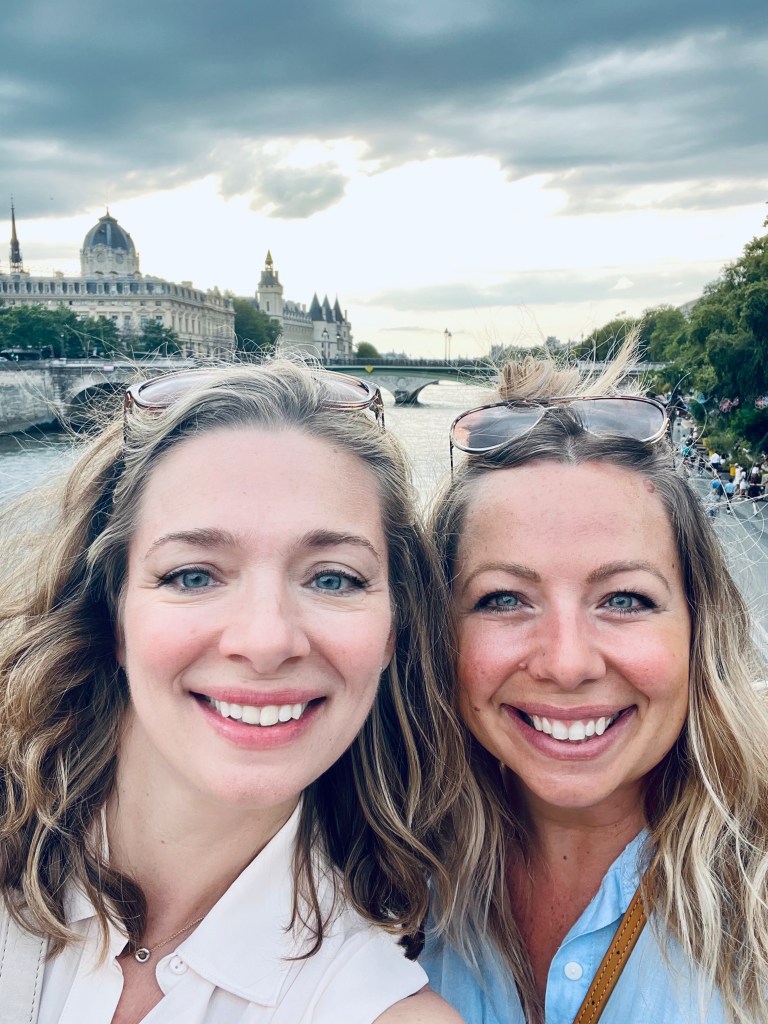
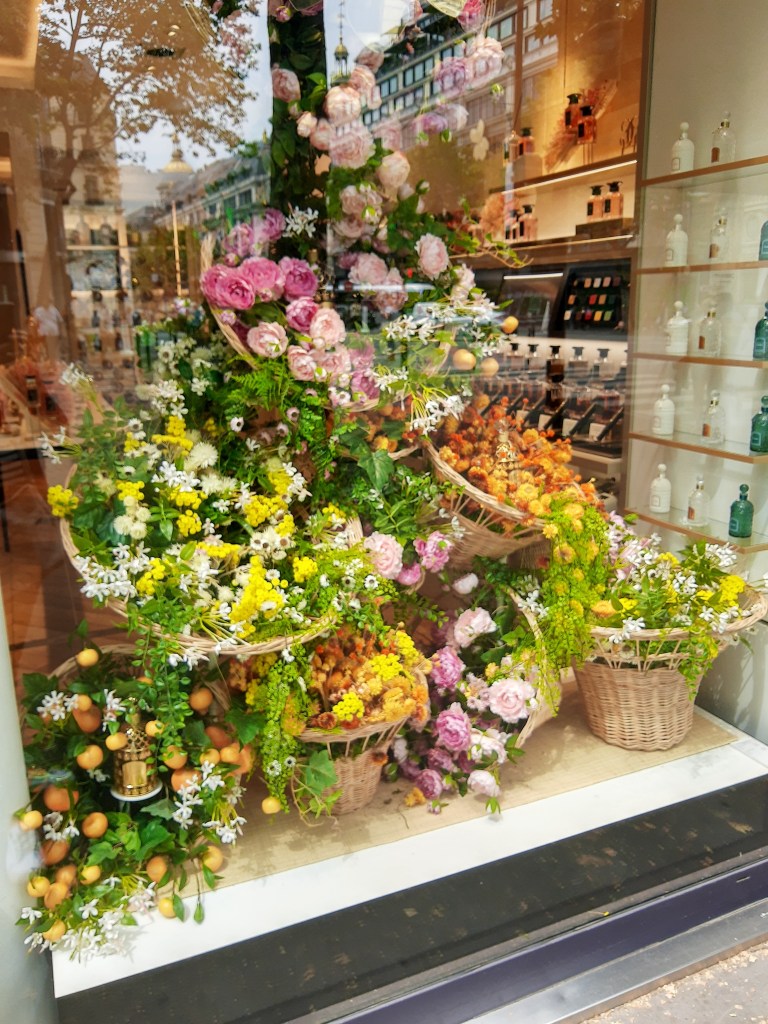
If you follow me at FB or IG (@MoonRuark), you’ve been inundated with photos from my European vacation in July. The most Rust Belt-ish place: Vigo, Spain–industrial, historical, and wonderful. A few pics for those who haven’t had enough (in order: Paris’ Eiffel Tower (of course), a pretty shop window, the D’Orsay Museum, and us sisters by the Seine; Barcelona hills and palm trees and basilica; Vigo’s cathedral; and a view of the Spanish countryside from Valenca, Portugal:

Not a post about a Christmas cookie

This is a post about a community Christmas cookie.

***

Bear with me, and hello! Happiest of holiday seasons to you and yours!

And back to the aforementioned cookie…

It was Christmas Eve Eve, and I’d waited too long to secure anise seed, a necessary ingredient in my favorite Christmas cookie, one I make religiously, each and every year: German Springerle.

I visited four stores on my search for the elusive, black licorice-scented seed and found none. I lamented supply chain issues and the state of commerce in particular and the world in general. But not for long, because Christmas.

In a last ditch attempt to keep my cookie tradition alive, my husband suggested I ask for anise seed on our village’s FB page. Within the hour, I had offers of fennel seed and star anise–the latter of which I believed just might work.

Because this is not a baking blog (you’re welcome), I won’t bore you with the recipe–unless you want it (I don’t believe in secret recipes). But suffice it to say the cookie turned out great with the substitution. Yes, it takes a village.

You probably have your own community cookie story. Maybe it’s an actual cookie. Maybe it’s something a little more poignant.

As Epiphany approaches, the Wise Men in our nativity set inch closer to the scene. These smart guys (rightly) get a lot of press. They brought pretty important ingredients to that out-of-the-way stable.

Our nativity set also features some more colorful comers–a rough-looking fellow bringing a chicken and eggs; a woman bringing several loaves of bread balanced on her head; a drummer and a bagpiper bringing the tunes.

Me, I’ve been bringing the music, this year, my first full year as a cantor at my Catholic parish and for weddings and funerals. And this singing way of things has found its way into my home-life (working on a Von Trapp vibe over here!) and my writing-life. In my novel-in-progress I ask: Can our songs save us? And in my recent nonfiction, I try to bring my voice closer to my heart.

If you know me out on Twitter–land of snark–you’ll know that in addition to cookies, I am the one who brings the shrimp ring to a party. (My Midwestern child-self would be duly impressed.) Snark aside, I try to do my small part at a time when it seems we’re all pulled apart, party-less.

Because, we can’t make all the good stuff entirely on our own. It takes community.

Community is why I started this blog way back in 2017. And it’s why I will continue to hype the poets and writers and literary-scene-makers of the Rust Belt in 2022.

If you haven’t yet checked out some of my favorite posts of this year, I hope you will. Among them: my interview with former steelworker and memoirist Eliese Colette Goldbach, author of Rust; and my interview with poet and memoirist Robert Miltner, author of Ohio Apertures: A Lyric Memoir. Many, many thanks go to those on the answering end of my queries.

2021 Rust Belt Girl blog superlatives? I’ve got those! 3,232 visitors hailing from 78 countries–not bad for a blog that reveres the regional.

My most viewed post (once again) is my gush-fest about Amor Towles’ A Gentleman in Moscow. (Have you read his new novel? On my TBR.)

My review of Michigander Dawn Newton’s The Remnants of Summer came up second.

My most-viewed interview this year was that with Cleveland native poet Teri Ellen Cross Davis, whom I got to meet in person–and even break bread with–at Lit Youngstown’s Fall Literary Festival in October. A festival I helped to plan, along with so many other members of that literary community.

The literary world just recently lost Joan Didion. The places she wrote about and from are not my places. But she has a lot to teach us about writing about place. I’m taking this quote of hers into 2022 as inspiration:

A place belongs forever to whoever claims it hardest, remembers it most obsessively, wrenches it from itself, shapes it, renders it, loves it so radically that he remakes it in his image.

Joan Didion, The White Album, 1979

Whatever place you’re shaping, whatever community you belong to, thank you for being here.

All the best in 2022, stay well, and keep in touch!

Hankering for Rust Belt author interviews, book reviews, and more? Check out my categories above. I hope you’ll follow me here, if you don’t already, so you never miss a (quite infrequent) post. ~Rebecca

Enter your email address to subscribe to this blog and receive notifications of new posts by email.

Poet for a weekend, and other literary festival miracles

I am not a poet, though some of my prose has aspirations. However, if writing is about invention–and re-invention–maybe my prose knows something I don’t.

How glorious to reinvent ourselves through our writing, over and over, on the page (or screen). I do find invention the most exciting part of being a fiction writer, blogger, and even a marketing professional–well, second only to the excitement of connecting with likeminded creative folks.

And so, I was in literary heaven at Lit Youngstown’s fifth annual Fall Literary Festival, held on the campus of Youngtown State University in Youngstown, Ohio. (Heaven is in Ohio? Yes, yes it is.)

Remember in-person literary events? I’d almost forgotten that some of my favorite writerly faces can been seen in the literary wild, outside of their confining Zoom boxes. For those of you readers who’ve been around these blog parts for a while, this festival gave the pleasure of meeting several of my Rust Belt interviewees in person for the first time: memoirist and poet Robert Miltner, poet Teri Ellen Cross Davis, and novelist Margo Orlando Littell. Also, in small-literary-world news, a writer friend I made while attending a writing retreat in Virginia in the spring made it to the fall conference (hi, Rebe!).

So, what exactly goes down at a literary festival? The “gathering in” night at a downtown art studio included a cookie table, a local tradition. And, not only did I cookie, but I also put on my brave writer pants and read a short piece at the open mic (following maybe some of my best advice for speaking–or singing–in public).

The first full day of the festival, I moderated a craft session on writing memoir; attended a panel discussion on rewriting women into history (take that Jack London–just trust me); attended a poetry discussion on transforming grief into a gift; and took an epistolary poetry workshop. Yes, me, the non-poet. At the risk of total embarrassment, here’s my epistolary poem from the class:

Dear Son,
A hotel bed big enough for the four of us, but it sleeps only me. I could say I wish you were here,
but Youngstown, this place I only discovered when I was no longer young, feels like mine
alone. Here, the people talk like me, the nasal accent that cuts through a crowd. You will love
a campus like this someday, a place that will watch you become a stronger you, tempered
like the steel of this place. Your Youngstown might be Annapolis or College Park or Cambridge.
You know we can't afford the Ivies, right? Do your homework, get a good night's sleep, and know
I love you.
~Mom

One of the coolest aspects of having a literary festival on a college campus is the other arts to be found. A short walk took me to a university art museum that was featuring an installation by artist Diane Samuels. My photos don’t do her work justice, so you’re going to want to check out her site. Here, you see Moby Dick, Romeo and Juliet, and The Overstory–with every word of those texts hand-transcribed on various materials. The quilt-like pieces are gorgeous from afar or up close, where you can read every word.

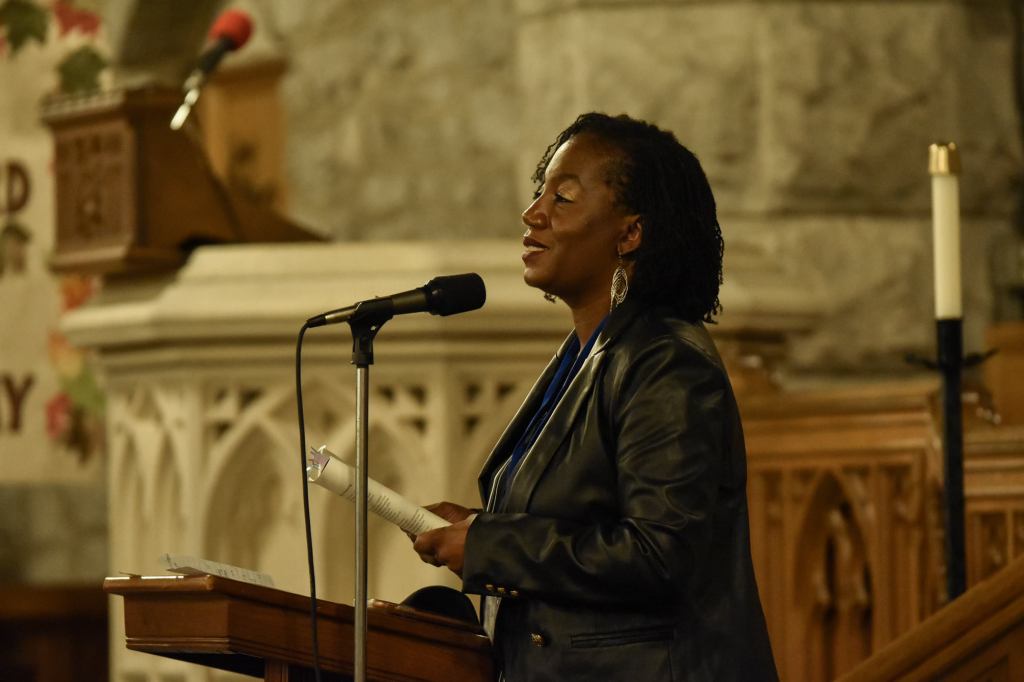
From the art museum, we then had dinner–pierogi and halushki–at a local, historic stone church, where after, in the sanctuary we heard from a jazz trio before the evening’s creative readings. (See pics above.) From there, I followed the locals to a tiny jazz and blues club where we heard, you guessed it, live jazz and blues–some originals and some covers of Marvin Gaye, Otis Redding, and other sing-alongable songs. And my weekend just kept getting more art-full.

The second day of the conference, I played hooky. It’s true. Rule-following me. Of course, before that I did my duty as part of the planning committee and worked at the book fair (which was a lot of fun!). I also took poet Teri Ellen Cross Davis’ poetry workshop about writing from family history (one of her best tips: to avoid sentimentality, get very specific and use details sparingly); I’m still working on that poem. And later, I took a poetry workshop on the Golden Shovel form (news-to-me: it has nothing to do with a shovel shape). And then, I played hooky.

Book fair book haul: Don’t miss Teri Ellen Cross Davis’ latest book of poems, A More Perfect Union.

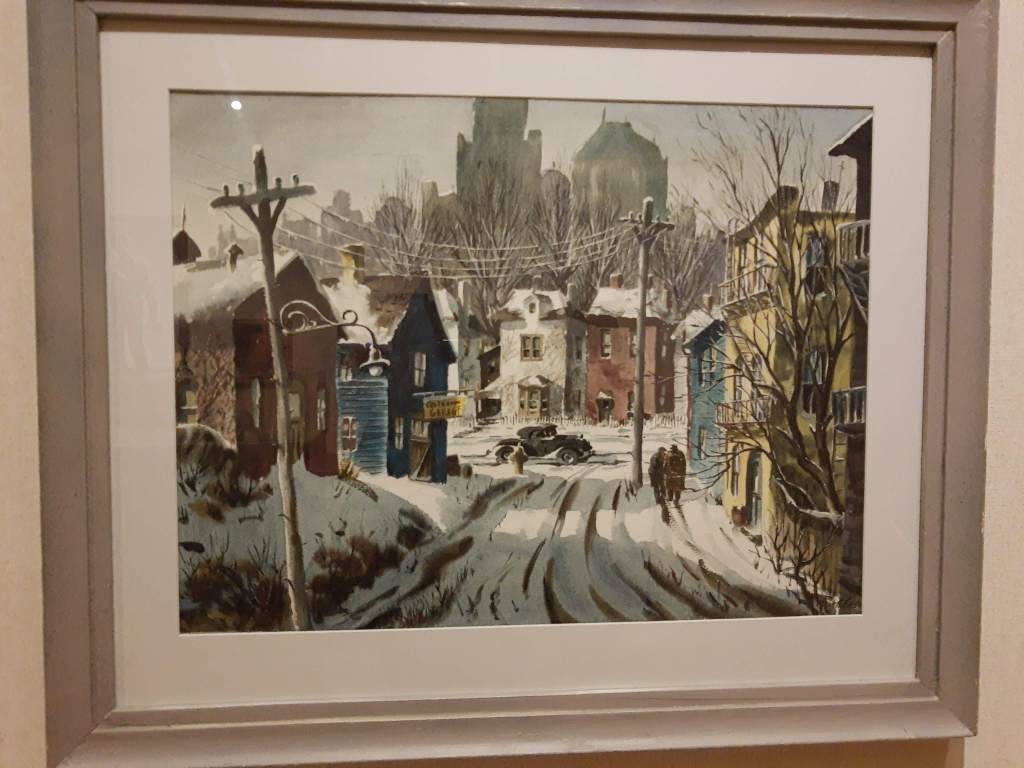
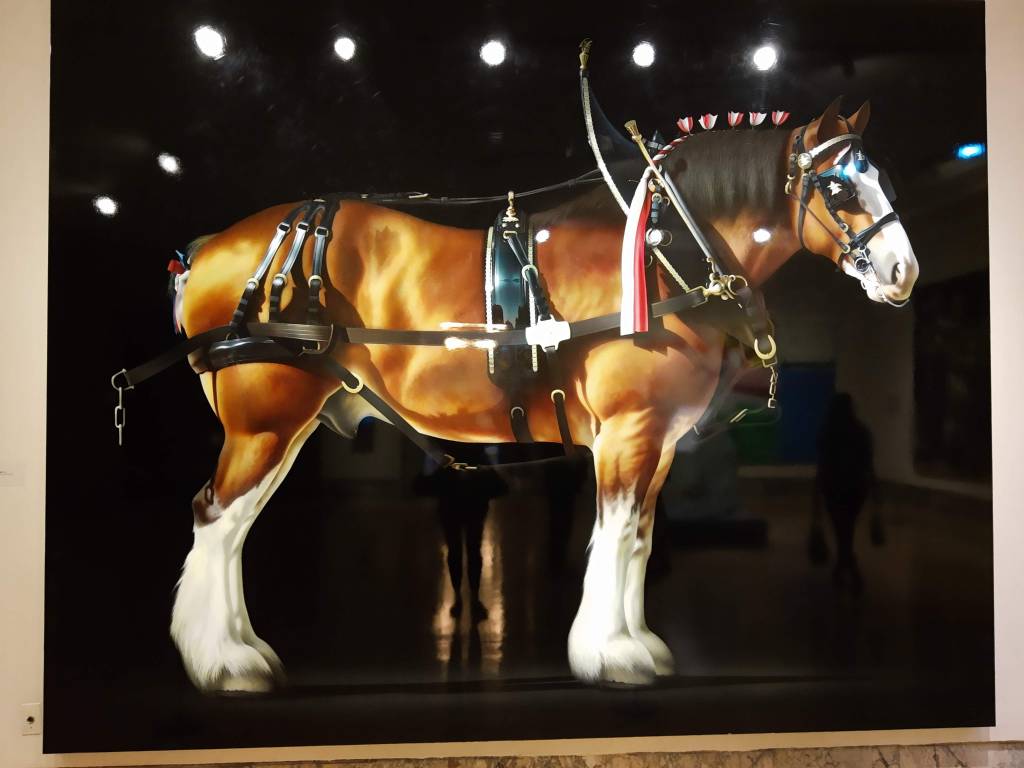
For the several years I’ve been attending this literary festival, everyone’s told me I must make it to the Butler Museum of American Art, a short walk from the conference venue. This time, a couple writer friends and I made it, took the tour, the whole thing. Reader, there was an Edward Hopper. I knew I was in the right place. (Pictured: Edward Hopper’s Pennsylvania Coal Town, William Gropper’s Youngstown Strike, Henry Martin Gasser’s Intersection, Grant Wood’s In the Spring, a name-that-abstract piece I didn’t take a good enough picture of the id card, Peter Maier’s Horse-Power (Ben)–a floor-to-ceiling rendering of a Clydesdale painted on metal–and Alfred Leslie’s High Tea.)

After my fill of American art, I enjoyed dinner (Italian, if you’re keeping track) and literary conversation that alternately had me jotting notes (the TBR pile grows ever taller) and laughing. There again, my idea of heaven. To cap off the final evening of the festival: another reading (at another downtown art gallery), this time by Jan Beatty–raw, real, and revelational! I can’t wait to dive into this one, too.

Huge kudos to Lit Youngstown director Karen Schubert and outreach coordinator Cassandra Lawton, the board, and planning committee folks–for another successful literary festival. It felt like a miracle that was over too soon!

Have you ever been to a literary festival or conference? What were the highlights for you? Did you stay in your literary lane or reinvent yourself in a weekend? Do you enjoy creative readings? What makes a reading memorable for you?

I’ve been terrible about keeping in touch, but I hope you’ll check in here. What are you reading, writing? What authors have moved you, lately? Are you getting out to any in-person activities?

Hankering for Rust Belt author interviews, book reviews, and more? Check out my categories above. I hope you’ll follow me here, if you don’t already, so you never miss a (quite infrequent) post. Thanks! ~Rebecca

Enter your email address to subscribe to this blog and receive notifications of new posts by email.

Thanks

From my table to yours on this Thanksgiving Day, thanks for being here at the ol’ blog. Three years and more than 1,300 followers from 126 countries, we’re still reading and writing the American Rust Belt–and beyond–together.

Another WordPress Discover feature this year, My Interview with Ohio Poet Laureate Dave Lucas, brought more of you here, and I’m so grateful. Who would I talk to–about the power of poetry, memoir, fiction, and place–without you? 761 comments this year, nearly every one an exchange, and we learn a little more about story–on and off the page–and about each other. Stay tuned for my next author interview on Monday!

In the meantime… On a personal note, a couple of my most recent posts have helped connect me with my late mom’s dearest childhood friend, a friend who kept photos and keepsakes and so many memories–and is kindly sharing them with me. The photo above isn’t a Thanksgiving table, but New Year’s 1966. That’s my grandma, Nana, in red, looking like she has a secret to share; Papa’s at the head.

Times and traditions pass us by, but this holiday remains one for joining together in gratitude. So, thanks so much for being at this table, friends.

If you’re celebrating, how are you celebrating?

Need a read? Head over to my FB page, where I’ve linked to a great Cleveland-inspired list of books, a few of which we’ve discussed here at the blog. Check out my Categories above for book reviews and more. And there’s always book talk at Twitter, where I’m @MoonRuark. Thanks!

The Great 2018 Blog Experiment

Hot Stuff, right here at least once a week in 2018

How’s that for hyperbole? If you’ve been here a while, you’re probably guessing that by great I mean middling and by experiment I mean absolutely nothing scientific. Still, looking at the year’s blogtivities–what you liked*, what you liked less–could help us all achieve blog bliss in 2019. It could happen. But, first, some preliminary stats, because numbers are fun so long as WordPress is doing the crunching.

I published a perfectly round 100 posts in 2018 (not counting this one) to receive 9,736 views from 5,434 visitors. Thank you for being here; without you, I’m a complete narcissist. Likes: 2,515, and my favorite thing in the world: Comments: 924. (Yep, they still count if I’m the one commenting.)

Your Favorite Posts from 2018 (in descending order, based on views)

Your Least Favorite Post from 2018

The Sunshine Blogger Award: Woot (if tardy)! featured my take on 11 probing questions and my nominations of 11 blogs that are totally worth your time. (Bad post timing? Too much in your reading queue? Are we tired of the award posts? What do you think?)

OK, I’m no statistician, but I’m seeing a trend: gimme more writerly guests, you say. I’m so glad you asked! Coming up in early 2019, I will be featuring an interview with Ohio’s Poet Laureate and hopefully one with a small press publisher. Inquiring minds and all…

So, next up on the old arcade Love Meter: Uncontrollable! I can’t picture just what an uncontrollable blog looks like, but you can help me get there. The American Rust Belt is a big place with a lot of worthy lit–stories real and imagined, memoir, poetry and more. Know a Rust Belt writer with a story to tell? Let me know in the comments.

Other bloggish lessons learned in 2018

Share the work of others and you will be recognized (see above). It’s not just about garnering views, comments, and followers–the stuff of stats. It’s about being a good citizen in this writing life, wherever and whatever you write. I’ll never forget the blogger who responded to one of my very first blog posts by saying something along the lines of “blogging isn’t just writing, it’s communicating.” This is two-way street stuff. This is our blog.

Because I truly believe that, I spend a lot of time out on the WordPress Reader scoping out new blogs; I drop comments; and I share what I love. Case in point: WordPress Discover shared their 2018 roundup: A Year of Great Writing: The Most-Read Editors’ Picks of 2018, which is a great list btw, and in conclusion the editors asked for our picks. I didn’t have to think twice before hyping in the comments Ella Ames’ blog Not Enough Middle Fingers (and not just for the name). I was thrilled to maybe send a few bloggers Ella’s way for funny, poignant, deep, and daring writing plus her homegrown illustrations. Know what happened next? My comment drew visitors–and even a few new followers–to my site. (Welcome!) So, let’s all spread the blog love in 2019.

Will next year be the year my writing hits Uncontrollable on the Love Meter? I don’t know. But, together, we can make connections that count for a lot.

All the best to you and yours for a safe, happy, and healthy New Year!

~Rebecca

*Thanks to K.M. Allan and her 2018 Blog Roundup for this post idea

Wanna join me elsewhere on the interwebs? Here’s me at FB and on Twitter @MoonRuark

The Sunshine Blogger Award: Woot (if tardy)!

Thank you to Writer Side of Life for nominating me for this award (ages ago). If you haven’t yet checked out Kim’s blog, please do. There you’ll find engaging posts about books and the writing life, inspirational interviews with New Zealand authors, lessons learned from “dragging” her kids to France for a research excursion–and much more.

So, as I said, I am tardy, actually more than tardy, to my own award presentation. Imagine one of those big show venues, with all the glitz, glamor, and champagne–after it’s stripped down. The place echos with emptiness, and next up for the venue is, I don’t know, the opposite of glamor, maybe a taxidermy show.

Welcome, folks, to my stuffed dead things award presentation. (See what tardiness gets you?)

Award rules:

1. Thank the person who nominated you and provide a link back to their blog so others can find them.

2. Answer the 11 questions asked by the blogger who nominated you.

3. Nominate 11 other bloggers and ask them 11 new questions.

4. Notify the nominees about it by commenting on one of their blog posts.

5. List the rules and display the Sunshine Blogger Award logo on your post and/or your blog site.

My answers:

What is your favourite place in the world? (“Favourite” spelling Kim’s)

I have extolled many of the wonders of my home city of Cleveland, Ohio, here on the blog. For those who don’t know, Cleveland has long been the butt of jokes, and while it might have lost a little of its sheen from its Gilded Age, industry-fed glory, C-town today is where you want to go for sports, arts, outdoors, and popular culture when you’re in the Midwest. List of major attractions here. From the home of the Cleveland Browns (who won yesterday!) to one of  the premiere art museums in the U.S.; and from the Metroparks system to the Rock & Roll Hall of Fame, there’s no place I’d rather be. And…Paris is also nice.

What do you want people to get out of your blog?

I hope my blog helps people come to know and appreciate the literature–poetry, fiction, memoir, and more–coming out of the U.S. Rust Belt, generally, and Ohio specifically.

Cat person or dog person?

Read more

Making the most of a literary conference…with a card and a queen

On my writing desk sits a small box filled with even smaller business cards I ordered for the Literary Festival I will be attending next month. These cards are, in effect, the professional “me.” On one side is listed my freelance biz; on the other (shown below) my creative writing credentials.

My two-sided business card mirrors the divided roles I play in this writing life of mine. This is the gig economy in action, folks, and I am a 2 inch-by-3 inch fraud. OK, no, there are no untruths on my business card, but still I feel like a fake sometimes.

It’s natural, self-doubt–especially when pulled in many directions–and inherent in this introverted writer. But business cards? Networking? I mean, networking is no less than 5,000 miles away from my natural habitat. So, what to do to make the most of my time at a literary (or any other kind of) conference?

Come along for the ride…

First, strike a power pose. What does that look like for an introverted writer? Particular pose aside, power-posing is all about boosting your confidence and is key to overcoming “imposter syndrome,” says super-talented career coach and humor blogger, Becca–who encourages those of us who unjustly feel like frauds to “Fake It ‘Till You Become It.”

OK, so I’ve got my business card. And practiced body language (time to break out the full-length mirror I don’t have!).

Second, follow a three-tier plan for getting what I want out of this conference (and by extension this writing life, but…baby steps).

Let’s be clear, I’m attending this festival for the backside (ahem), the creative side of me. With so many talks, readings, and panel discussions to choose from, I need to choose wisely to return home not exhausted but ready to write.

Craft: outside of an online writing workshop or two, it’s been a good while since I took part in a proper fiction workshop, so this tops my list of must-dos.

Connect: one big reason I started Rust Belt Girl was to connect with writers writing from and about the post-industrial Midwest, and I’ll have ample opportunity at this Ohio event; I also hope to meet a few of the many literary journal editors who will be there–always helpful to hear what they’re looking for in submissions.

Soak it in: with a schedule full of creative readings–from poets, fiction writers, and creative nonfiction writers–I hope to come away inspired enough by the stories of others to return, re-energized, to my own.

And then there are the side-perks of discovering a city I’ve never visited before and of being close enough to an Ohio site I want to research for my WIP that I can make the weekend a two-fer.

But, even before that, there’s the preparation*, and I don’t just mean packing “serious writer” outfits and a wrap for cool conference rooms. And, of course, having my own stuff together for my creative reading and appearance on a panel about publishing from the writer’s perspective. I mean reading up: not just writer bios, but the book of collected stories from the keynote speaker, Leslie Nneka Arimah; and poems from the Ohio poet laureate, Dave Lucas.

Many thanks to super-knowledgeable blogger, Lorna, at Gin & Lemonade for helping me to develop this plan for slaying it (insert power pose here) at the literary festival and for passing along this post with helpful tips for making the most of a conference as an introvert: “Breathe” is a good one to remember. So is: “Grab People’s Business Cards.”

If all else fails, I’ll just summon my inner Ally McBeal–yep, showing my age here–and come to the literary festival ready with an inspirational song in my head.

With the recent death of Aretha Franklin, followed by the singer’s Detroit funeral that included a procession of 130 pink Cadillacs (more details on that here), I thought I’d take a confidence cue from the Queen of Soul. So many powerful songs: “Respect,” “A Natural Woman.”

My fave: “I Say a Little Prayer”

Have any tips to share for making the most of a conference–literary or otherwise? I’d love to hear them!

*Update: One more item to prepare before a conference–literary or otherwise: the 30-second elevator pitch. Do you have one? “It’s a good idea to have one of these prepared for your art,” says poet and former marketing executive Danielle Hanson, in a wonderfully-informative article in the latest (Sept/Oct) issue of Poets & Writers magazine, which is pretty much the bible for literary writers. Your elevator pitch should answer the question: What do you do?

Here’s my working elevator pitch: I write fiction. I’m interested in exploring the idea of the American Dream in place–both during wartime and at peace. My historical novel manuscript explores lives on the WWII home-front and tells the largely unknown story of the internment of Italians in America during that time. My short stories explore the contemporary American Rust Belt, with many set in my native Ohio. I also blog at Rust Belt Girl to connect with authors, photographers, and readers in the region and beyond. There I feature discussions on “ruin porn,” author interviews, and my own craft essays, drawn from my experiences as a writer and as a former college writing instructor.

What do you think? What am I missing?


Blogging as Publishing: An Argument

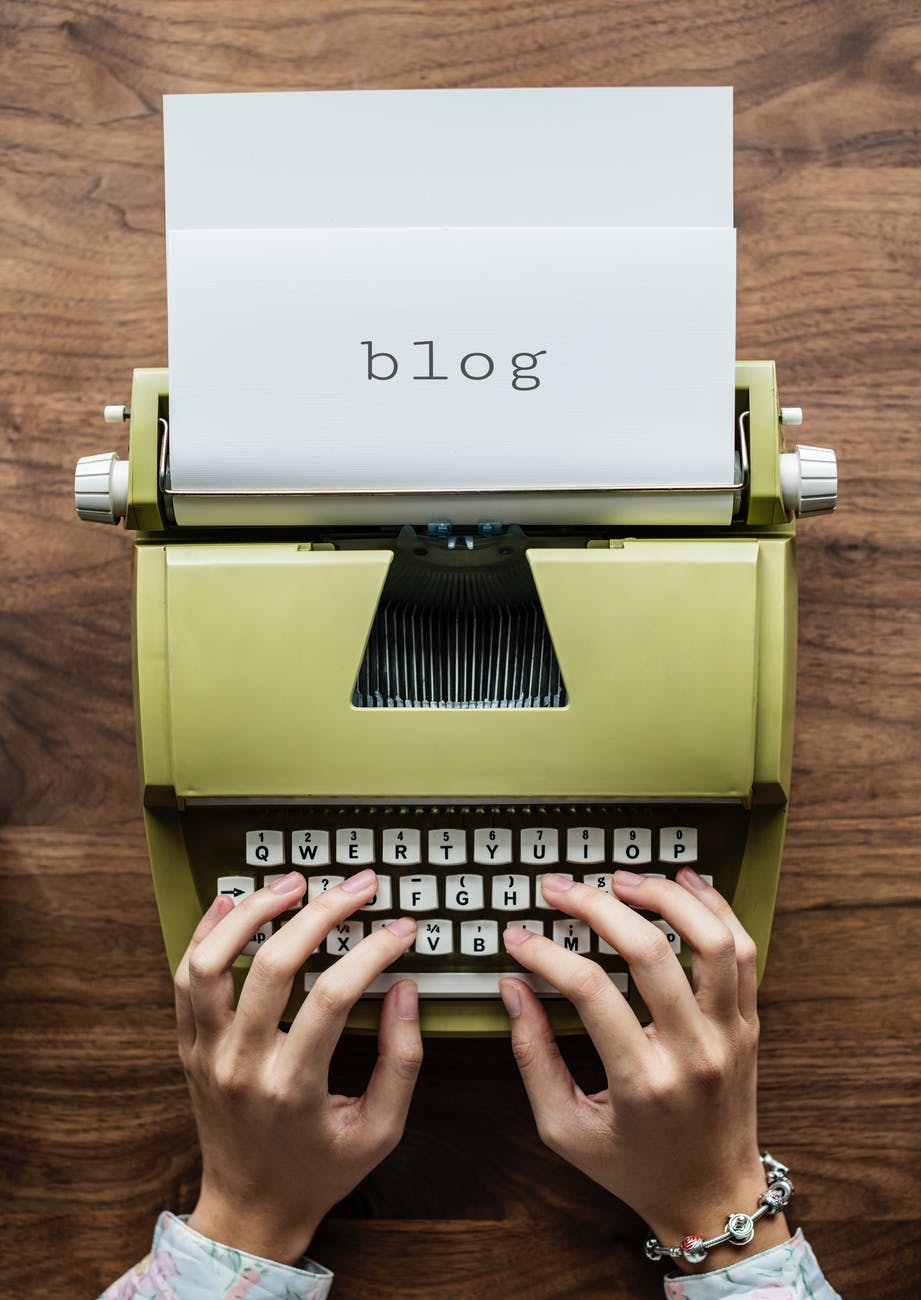
person using typewriter
Photo by rawpixel.com on Pexels.com

The old me is scoffing right now.

Blogging cannot be publishing, she says. (Pay no attention to the big blue “Publish…” button in the corner of the screen.)

Publishing is slow, arduous, rife with rejection, and even isolating. Publishing as a process is the painful price we pay for any kind of recognition, for standing–no matter how tenuous–among the literary community.

Blogging, on the other hand is quick-and-dirty and easy, without the arbiters of literary merit (read: editors), upon whose opinions has been built the entire modern canon of literature–fiction short and long, poetry, memoir and etc.–worth reading.

Writers as their own editors? Old me scoffs, twice.

Right? Not right?

And so there you have the schism of my train of thought as I prepare to sit on a Literary Festival panel next month to talk about–you guessed it–publishing from the writer’s perspective.

Old me is wondering if they will offer me half a chair to sit in. Maybe I’ll sit under, rather than at, the table with published authors and the like. Really, though I kid, the question remains:

Is blogging publishing?

To old me, the me that did an MFA when online literary journals were only just becoming a thing and, certainly, story and poetry submissions, were still printed and mailed (as were the rejection slips), publishing must be painful. Remember Friday nights in a library carrel with the Writer’s Market? There was no blogging anywhere on the publishing horizon then.

Literary publishing was–and largely still is–a slow process. Submitting our pieces has gotten a little quicker and easier, but the work behind it is still slow: we read, we research, we write, we read about writing, we revise, edit, revise and edit again.

The act of becoming the writer I want to be always will be a slow and arduous–even painful–process; blogging won’t undercut that.

Old me scoffs at the idea that I am the arbiter of my own work here on this blog, something of a mini-magazine. I am my own gatekeeper. I get to say what has literary merit and doesn’t (my own writing included); I review the books I like; I interview the authors I like; I can present a Rust Belt food pie chart and wax poetic about pierogies. Plus, I’d like to think this fiction writer (me) has started to find her essayist’s voice, because she (me again) was allowed the agency and space–this very blog–to do so.

I love editors (here’s looking at you, WordPress arbiters–really, you guys are great!). I love literary journals and print journals and thank my stars several editors and I have agreed that their journals and my stories would be perfect together.

But publishing doesn’t have to be defined so narrowly. Does it, old me?

So, here I go, about to hit “Publish”–because I can–to connect with as many as 713 of you, my followers. Not too shabby an audience, admits old me.

Because I haven’t said it in a while, thank you, fellow bloggers. Thank you for sharing in this awesome, insightful, global community of readers and writers and–yes–publishers.

Did my argument sway you? (I’ll let you know if it swayed old me.) Provided I have the floor (or table) for a minute or two to extol the virtues of blogging-as-publishing, what should I add?


“…until you don’t suck as much.”

36341620

No, not you…me.

And so I sat at my computer last night, wondering…

How to make David Sedaris apropos for the ol’ blog.

Hmm.

The author/humorist is a native of Binghamton, New York. That’s Rust Belt-ish, right?

Who cares? It’s David Sedaris! He’s got a new book out. Bookish Beck reviews it here. And so he’s been top-of-mind.

On a day when I’m feeling kind of stuck, creative writing-wise, and even a little sucky, I went searching for some writing advice and found Sedaris’s. It’s funny and wise and talks as much about our current share-heavy-and-share-often culture as it does about writing.

So, obviously, I will share it here, now.

“David Sedaris on Keeping a Diary in the Age of Over-Sharing” in The Atlantic.

I kept a diary for all of a week, when I was nineteen. I probably called it journaling, but it’s the same thing, I think. My mistake, according to Sedaris, is that I read what I had written–and was embarrassed by the detailing of overwrought emotions in response to a series of banal-at-best events. So I stopped journaling.

In my interview with memoirist David Giffels (another very funny guy), he had this to say about journaling:

I have journaled at various times, but to me, writing is getting down to work and doing it when it needs to be done. I think in banker’s hours. Once I’m working on a project, it’s all-consuming. I’m always taking notes. When you’re working on a writing project, you become a selective magnet, like all of a sudden everything in the world is being tested to see whether it’s going to be drawn to your subject. If it is, it comes flying at you and sticks. I’ll hear or see something and think, I have to write that down right away. That’s urgent journaling, I guess.

It’s good that I stopped journaling when I did, I think, because I hadn’t lived yet. I was writing about nothing. Certainly, I didn’t know enough to feel any sense of creative urgency.

So I started living and still try to; to do otherwise scares me. (Guess I should write about it). These days, when I’m writing, I’m writing, when I’m not, I’m reading–and attempting to live outside paper-and-ink worlds. How else does one have anything to write about?

Memoirists must have an abundance of personal story, but truth makes the narrative choices fewer. Amy Jo Burns, author of Cinderland, told me this in my interview with her this spring:

I’ll put it like this–novelists suffer from having too many choices, and memoirists suffer from the lack of them. I think I’ve used the same kind of creativity to solve both problems, but the boundaries are very separate.

Nonfiction and fiction writers alike trade in personal truths, of course. We are what and who we write–no matter the genre, no matter the distance we try to create between our characters and ourselves.

So, tell me, do you journal, write in a diary? When did you start? When did you first show it to someone? Does it spark your personal essays, blogs, stories?

Here’s to journaling–urgent or not. To writing and writing until we “don’t suck as much.” To funny writers. To beautiful weekend weather that took me outside to swim, bike, and shoot hoops with my boys. To live in the world off the page, so that I might feel inspired enough to get back to it today.

Happy Monday, all.

~Rebecca

*book image from goodreads.com

Rust Belt Girl roundup for June 26, 2018

But first…a bit of inspiration (and my last reference to Amor Towles’s novel, A Gentleman in Moscow and its hero, Count Rostov–I promise–at least until the TV adaptation comes out.):

For what matters in life is not whether we receive a round of applause; what matters is whether we have the courage to venture forth despite the uncertainty of acclaim.

I’m adapting “acclaim” for my uses, loosely here. And “venture” in the creative vein. (No bungee jumping or sky-diving for me.)

Here’s the thing…recently, funny mom blogger extraordinaire, Becca, from With Love and a Little Self-Deprecation, got me to thinking, when she asked of herself a question I’m asking myself, this week. When was the last time I did something brave?

Not just something required that was maybe a tad-bit outside of my wheelhouse (to use  my fave maritime-inspired jargon). No, something that required guts.

Guts I’ve got when it comes to my kids. (Ask any mom.) Birth twins sans drugs–sure, got that… Forget my introversion (and the book I’m dying to read!) to introduce my toddlers to fellow toddlers on the playground–because, go figure, humans aren’t born knowing how to make introductions… Stick up for my kids when confronted by bullies… Overcome elementary math phobia to become a math club coach to teach kids that math is cool. Done, done, and done. Brave-ish Mom strikes and strikes again.

Now, can I be brave for myself? And can I be brave, when there’s no paycheck attached to it, when I’m the only one relying on me? Can I be creative-brave?

OK, let me back up to say that one reason I’m a writer is that I’m a nervous public speaker–and sometimes even not-so-public speaker. I’m just better on paper (you’re welcome). It’s one reason that I have five times the number of WordPress followers as FB friends.

And, funny thing, I taught freshman and sophomore-level college composition courses (yea, essays!) throughout my MFA, but teaching is different than speaking. Reading is different, too, if still a little scary. (Best done in a closet, as I was when I recorded my story, “Recruit.”) Reading my work before a group, letting my “weird” accent hang out–this I haven’t done in a while.

So, on my gutsy creative to-do list, this week: send my first, long-awaited literary agent query (first stop on the publishing road map) for my behemoth historical novel manuscript; and, even more to the bravery point, apply to present at a fall literary festival in my home state of Ohio, where much of my short fiction is set. This is new literary territory for me.

Part of my nervousness is due to the fact that to present at this festival really will be going home, and there’s a fear that I will be looked at as an outsider. (After so many years south of the Mason Dixon, I do say “ya’ll,” after all.)

Still, I’m going to submit my proposal. Worst thing that can happen is that they say no. Second worse, they say yes, and then I need to start stewing with nerves until September!

So, help a girl out, readers and writers:

Ever been to a literary festival? What do you look for (besides free books–yeah, I’m with you there)? What do you want to hear? Learn? I have no wares to hawk, no tsotchkes to share. It’s just me. And, in the immortal brand slogan of L’Oreal and imitator memes everywhere, I’m worth it.

I hope.

What’s on your gutsy creative to-do list this week?