“Rust in Bloom”

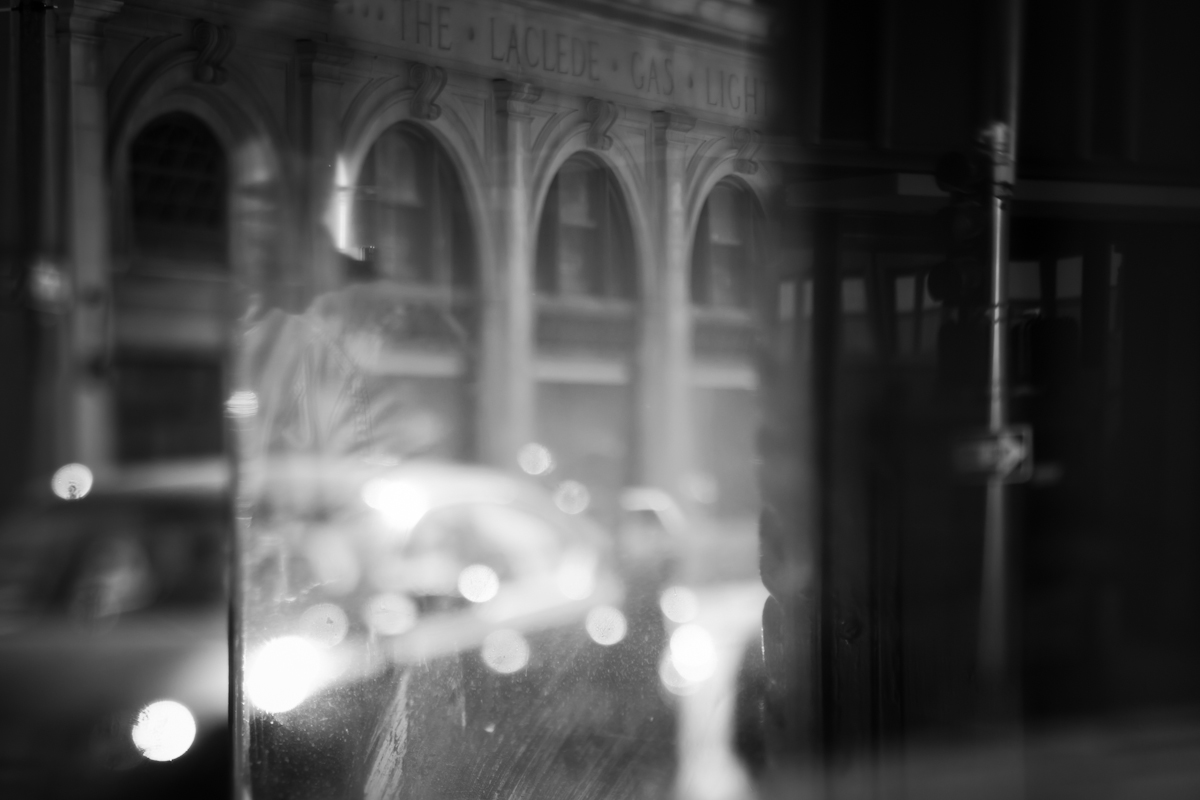
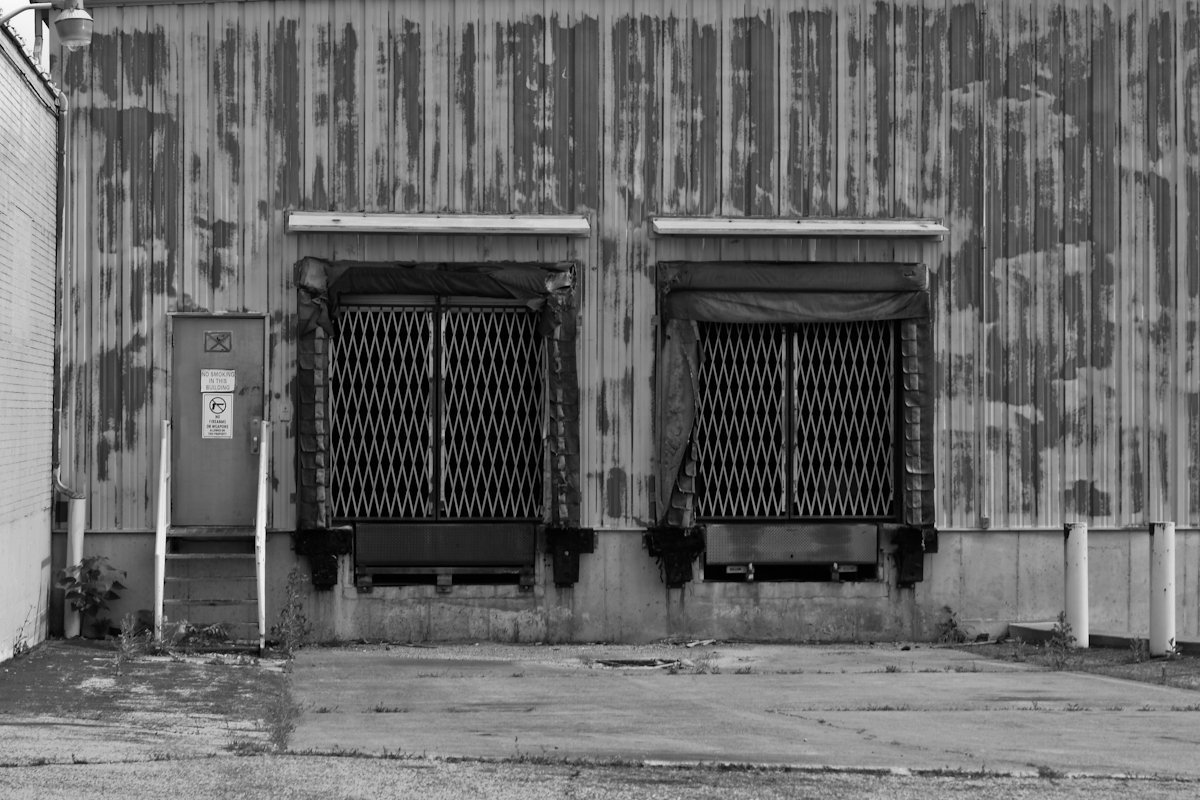
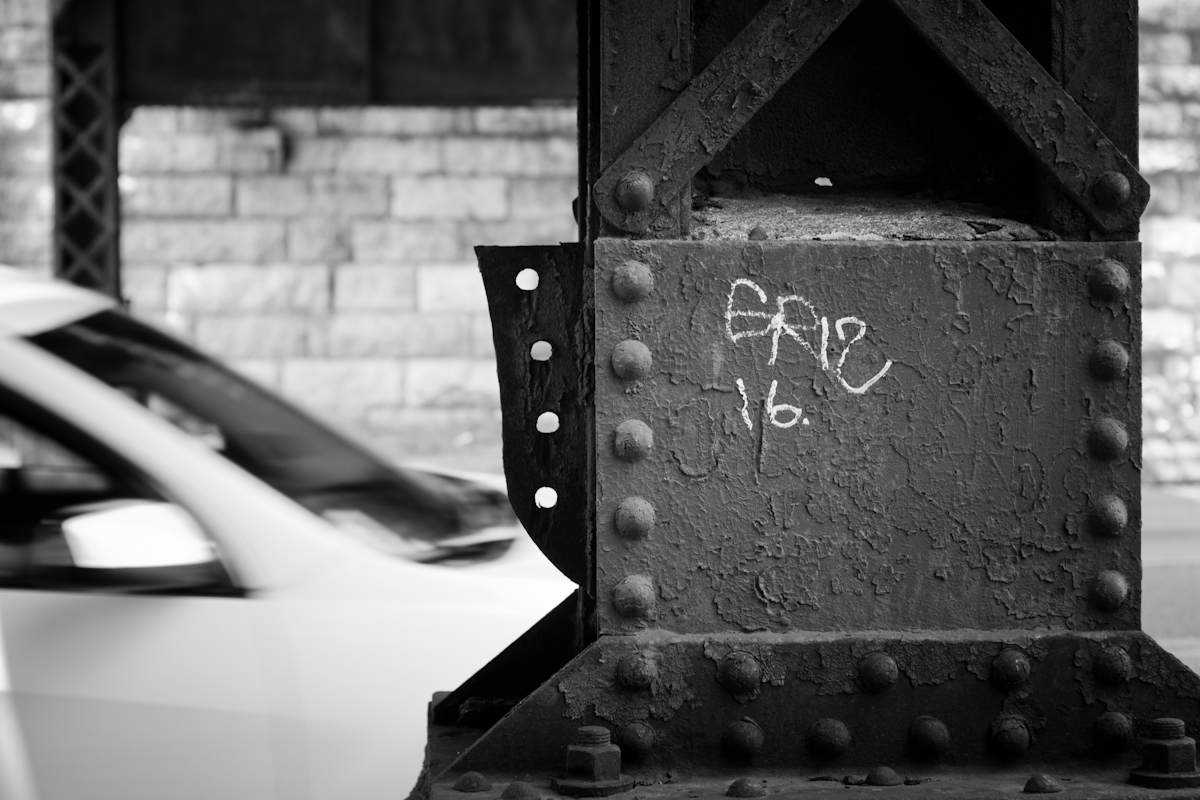
Issue No. 8 from Barren Magazine is out, and features my story, “The Virgins,” among among so much fantastic poetry, prose, and photography for your weekend entertainment. (Thank you to the editors for letting my story sit among such great company!) See also my friend (and Rust Belt Girl follower) DS Levy’s flash fiction piece, “Tengku,” my fave poem of the day, “Barrels of Fruit,” by Caroline Plasket, and more gritty, rusty photography–along with sweeping skies and far-off places–than a girl could shake a stick at.

Happy weekend, and happy reading and viewing.

What’s in store for your weekend?

~Rebecca

My interview with author, poet, and publisher Larry Smith

When I first met Larry Smith in Ohio, he was sporting a Cleveland Browns cap–not an unusual fashion choice for a sports venue or bar, but we were at a literary conference. From this first impression, I could sense two things: the cap wasn’t ironical and Larry was my kind of literary people.

As it turns out, the Ohio-based author, poet, and director of Bottom Dog Press/Bird Dog Publishing and I have much more in common than rooting for the home team. There’s an abiding sense of creative responsibility, a promise to tell our own stories, that comes with hailing from a place like ours. I’m going to go out on a limb and say Larry and I try to make good on that promise. Larry has definitely made good on his.

This National Poetry Month of April, Larry was also gracious enough to take the time to answer over email my questions–about the writing life and what it means to publish poems and stories rooted in place. “There is always some blurring of identity here,” says Larry, “between Larry Smith and Bottom Dog Press.”

Though much of my life is Bottom Dog Press, my life extends beyond that, and Bottom Dog Press is more than I am, too, it’s over 210 books and about 500 authors.

Let’s learn more…

Larry, how did growing up in the Rust Belt, specifically an Ohio mill town, affect your writing sensibilities and choices?

Well, this goes to the heart of it and of myself. You can’t take out of me the Ohio Valley and the working-class world I grew up in. I was nurtured on that life and those values of hard work and character, of family and neighborhood, of just accepting and caring for each other. I write from who I am, and though I worked as a college professor and live in a middle class neighborhood now, I am still that kid getting up to deliver morning papers and watch my father pack his lunch for work on the railroad. Read more

Aloud: Off the Page, Into the World

Photo by Skitterphoto on Pexels.com

In my next life, I will be an opera singer. This is not the first time I’ve made this declaration and it won’t be the last. (Mind you, the next-life gods need to suit me up with a better voice and the ability to read music, at the very least.) It’s not that I believe in next lives, but such a dream–belting out “o mio babbino caro” a la Maria Callas–is more of a this-life mantra. The hot stage lights, the costumes, the adulation–none of this is what appeals. It’s the voice. Our first instrument. When I tilt to strains of a violin, it’s because it reminds me of singing or crying, even keening. Same for the clarinet played in a minor key, like a folk singer’s lament.

Still, my voice is generally reserved for the rote songs of Mass, a little shower-singing, and belting out Whitney’s “I Wanna Dance…” with one of my boys. Fairly private venues; certainly not performance-grade.

As a young adult, I went from one silent art form–ballet–to the next–creative writing. We college-age fiction writers kept fairly quiet–our work was there on the page–until our monthly reading series held at a local art gallery, called Movable Feast (after Hemingway’s memoir and the relocatable series, which featured brie-and-crackers and grocery store sushi, when my friend and I were in charge of said feast).

My friend did–and does–write poetry, an art form more suited to recitation. Mic-ed, there were those poets at our Movable Feast, whose words took flight on the strains of their voices, some breathy and soft, some staccato and sharp, some exotically-accented. Sometimes, the words all but disappeared in the song of those poets’ voices.

Tone. Mood. Interesting language and turns of phrase. Even a surprise rhyme scheme. Moments. These are the elements that shine in recitation and are perhaps more dense and readily-found in poetry than fiction.

How to recite fiction? It’s not an easy task: Plotlines and plot points. Character names and descriptions. Landscapes. These details are easily lost to the ear when recited and best read on the page, in the quiet.

I know now that my success and failure (I don’t remember what I read aloud in grad school, and I’ll bet no one else does, either) when it comes to readings is less about my actual voice than choice.

My actual voice is not breathy and light; I cannot master the soothing monotone of an NPR announcer. My accent might grate on some more gentile listeners. Still, to read our work aloud is an exercise in performance we writers should seize–and so I do.

It’s been a year or so of finding my reading voice. There was the audio feature I recorded of my short story “Recruit,” for Flock literary journal. Then, I read a piece of flash fiction at a literary festival near where I grew up, where I felt at home, where everyone’s voices sounded something like mine. Most recently, I read at Little Patuxent Review‘s issue launch event from my short story, “While Our Grown Men Played.”

I had five minutes. Five minutes–to a fiction writer who trades in thousands of words on the page, sometimes daily. Five minutes for time and place and character and mood and theme and… voice.

As it was when I was a dancer on the stage, the during part is a blur. But I remember the after-the-reading discussions with several fellow readers at that issue launch, including local author and poet, Alan King. Thinking on it further, I have a few takeaways. Here are five ways to deliver a good reading:

  1. Forget the frame of a story; keep it short and tight.
  2. Pick a pivotal scene.
  3. Sensory description lets the audience in.
  4. Humor helps, when appropriate.
  5. Use your own voice (accent be damned).

I’m coming a little late to spoken word, poetry meant to be read aloud– performed really, rather than simply recited. But I think it has a lot to offer, not only in and of itself, but as inspiration for writing–and reading aloud–works of fiction or anything else. Check out spoken word artist “little pi,” who I met at the LPR issue launch event. And many thanks to Miami University Press in Oxford, Ohio, for introducing me to Janice A. Lowe, poet and composer of musical theater and opera(!), whose collection Leaving CLE: poems of nomadic dispersal, I’m currently devouring. People, I dare you to “unhear” such compelling voices, even if you only get to read them to yourself on the page.

Do you attend poetry, spoken word, or fiction readings? Listen to podcasts? Is there a poet or author whose voice speaks volumes to you? Have you read your own stories or poems aloud?


My interview with Ohio Poet Laureate Dave Lucas

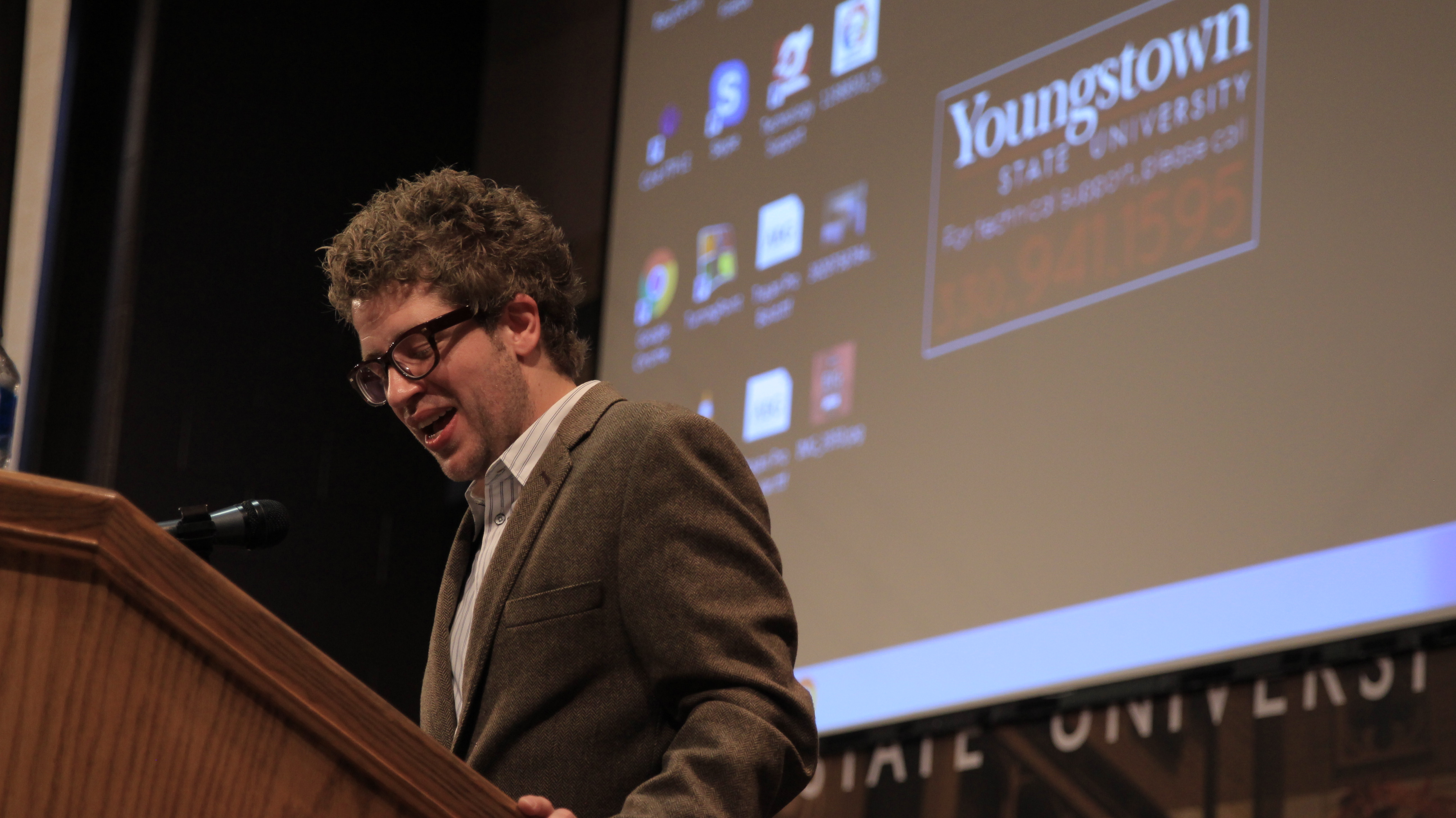
Ohio Poet Laureate Dave Lucas presenting at Lit Youngstown’s 2018 Fall Literary Festival*

Love poetry or hate it (btw, you don’t really hate it), Ohio Poet Laureate Dave Lucas is right there with you.

What’s it like to be a poet laureate? I asked Dave Lucas that–and more–in this interview over email. Here’s what the author, teacher, and “poetry evangelist” had to say.

Dave, how much does it mean for you to have been chosen as Poet Laureate of Ohio, and what’s up next for 2019?

If you’d asked me this a year ago, I would have said how honored I felt by the selection and how excited I was for the two years to come.  A year into my term I still feel honored and excited, but more than anything I feel gratitude.  I’m grateful for the opportunity to see parts of my home state I’ve never visited before, to talk about poetry in such varied settings and with so many people for whom poetry is a way of making meaning of their lives.

In 2019 I hope to continue those travels, but I also hope to “meet” more Ohioans virtually through the “Poetry for People Who Hate Poetry” project.  The project entails a monthly column syndicated in Ohio newspapers and media outlets; this year we hope to create a podcast version as well, so that we can promote poetry in whatever medium Ohioans get their information and culture.

As Poet Laureate, I imagine you’ve met many Ohioans in your travels around the state. What has surprised you most?

I’ve certainly been struck by the number and quality of poetry programs taking place at the regional and local levels.  These are workshops, reading groups, recitations, slams, and more, and I’ve encountered them everywhere I’ve traveled in Ohio.  The internet has of course been revolutionary for bringing people together around a common interest, but there’s something wonderful about seeing people gather in common physical space to talk about poetry.

In your Poet Laureate column on the Ohio Arts Council site, as well as in the classroom, you send the message that most of us love poetry, even if we don’t know it yet. Can you talk a little about how you define poetry and give us a couple examples of the kinds of poetic language we can find outside of what we traditionally think of as poetry?

Literary history tells us that anyone who attempts to define poetry today is about to be proven wrong tomorrow.  That’s both the pleasure and challenge of trying to say what poetry is or isn’t.  So I try to maintain as broad and flexible a definition as possible.  I think that poetry is the aesthetic pleasure we take in language.  Words are for play as well as work, as the groan-worthy puns of any good “Dad joke” will demonstrate.

So puns and jokes in general might be examples of the poetry we find outside of “poems.”  So are the metaphors we use to describe the world.  Riddles, jingles, lyrics, mnemonics, and more.  For instance, I’ve just finished a column (my sixth installment) about the artistry of slang, which Walt Whitman treats as the democratic aspect of poetry.  In this column I argue that even if you haven’t read a poem since high school, you participate every day in the artistry of language simply via the creativity of the slang you use. Read more

Rust Belt Girl guest: Maresa Whitehead with “Layers”

Screenshot_2018-10-24 Just another WordPress site

What’s this? A guest spot?

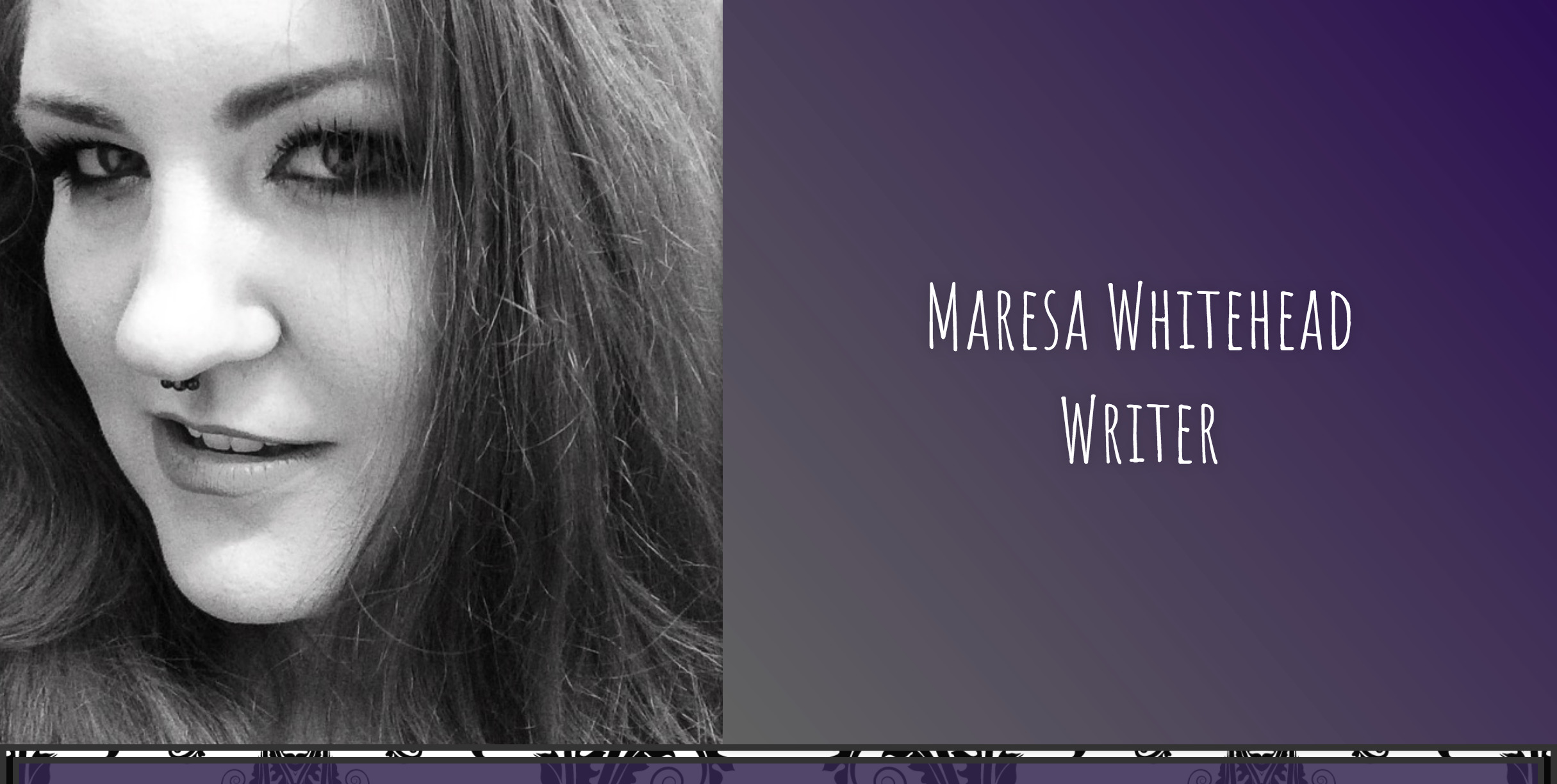
Yes! I am thrilled to introduce you to Maresa Whitehead, a talented writer and poet I met at Lit Youngstown’s Fall Literary Festival last month. From her website:

Maresa writes poetry which explores the beauty in darkness and dark images, particularly as they relate to nature and place.

Maresa currently lives in Pittsburgh, Pennsylvania, where she earned an MFA in Creative Writing–Poetry from Chatham University. I count myself so very fortunate that Maresa agreed to share with us her wonderful Rust Belt-inspired poem. Whatever season you’re experiencing where you live, I’m sure you too will appreciate the unfolding and discovery going on here:

Layers

Once, this city forebode,
dormant, suppressed
by charcoal snow,
glaciated, atrophied,
bitter as if poisonous
until thawed.

Now, defrosted,
it’s pungent as it ripens,
unfurls petals, entreats
pollination from swarms
which spread its seed.

Each season peels its rind,
extracts the pulp of Pittsburgh,
succulent, unexpected
like the creamy black-specked
marrow eclipsed at first
by the green-tipped pink
husk of the dragon fruit.

          by Maresa Whitehead

Thank you again to Maresa for allowing me to publish your poem here at Rust Belt Girl!

All, please help me share her voice far and wide—on the social networks of your choice. Visit Maresa Whitehead’s site for her complete bio and more of her writing.

Have a favorite seasonal poem? One that celebrates all you love—or don’t—about your town? Share in the comments!

a bit of writerly advice…for Sept. 13, 2018

All the moments that make up a human being have to be written about, talked about, painted, danced, in order to really talk about life. –Rita Dove, Ohio native, Pulitzer Prize winner, and former U.S. Poet Laureate

banner-2748305__480
Free image courtesy of KathrynMaloney at Pixabay.com

The above quote is from an old interview with Rita Dove in which she talks about her background and her decision–not until college–to try to become a writer. “I always thought [writing] was something that you did as a child, then you put away childish things,” she said. “I didn’t know writers could be real live people, because I never knew any writers.”

There it is, isn’t it? This writing thing: childish, right? Ever feel guilty about writing? I do. Especially the writing I do that doesn’t buy groceries. Why? Because it’s unnecessary, a luxury, an escape, mere child’s play.

Or is it?

Maybe writing, as Rita Dove says, is essential to this life we’re all living here–necessary to becoming part and parcel of this existence.

What do you think?

Now…go write.

But first, sample Rita Dove’s poetry here at Kenyon Review with “Concert at Hanover Square” and try–I dare you–to forget the gray mice image!


Dear Poetry…

Dear poetry,

It’s not you. Really. You’re great, if sometimes hard to read.

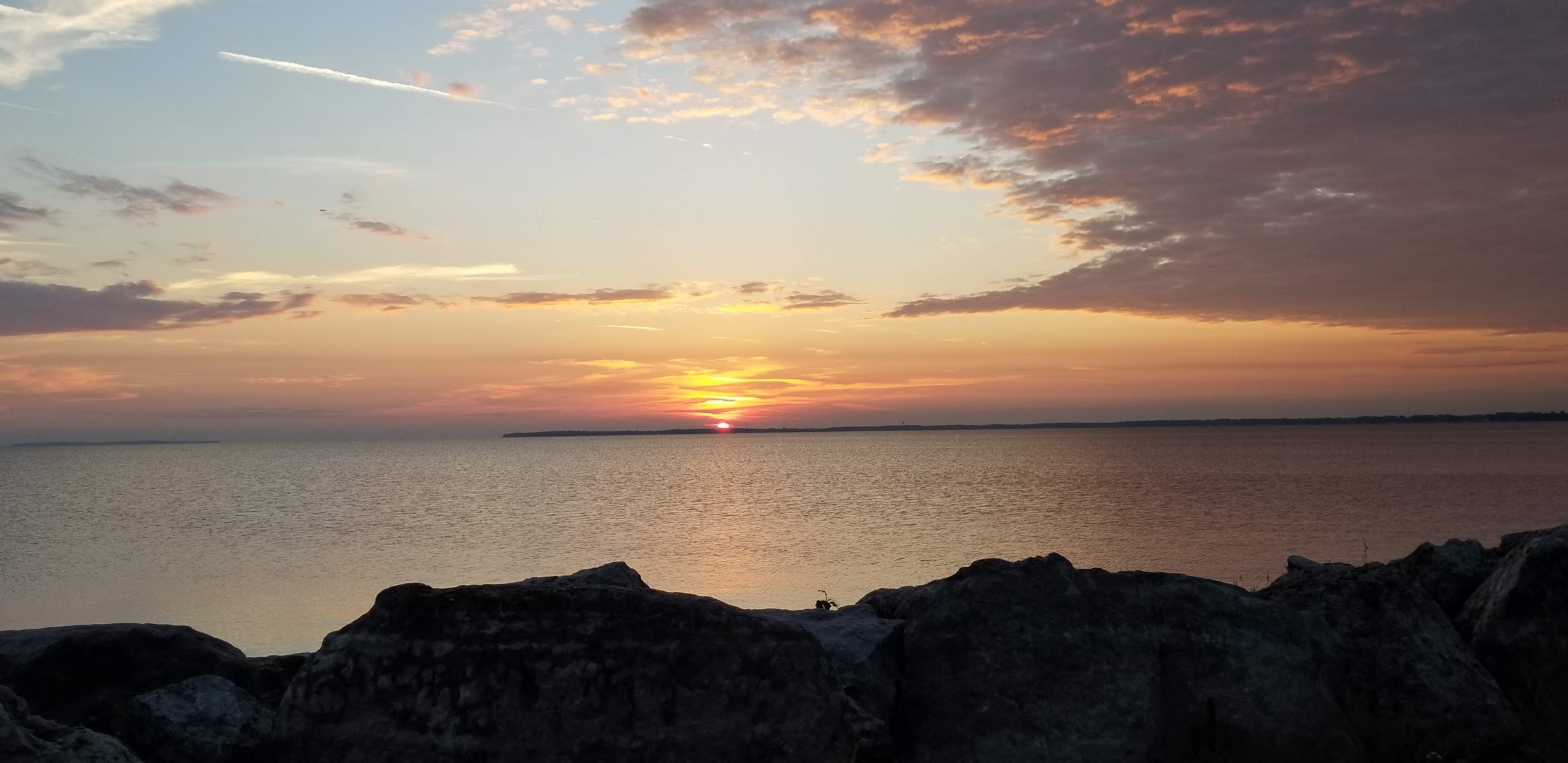
20180716_061442
Sun setting on my poetry romance (er, over Lake Erie)

OK, poetry and I were never very serious. But I want to try, try again.

Last year, a great friend (and great poet) turned me on to Marie Howe (the Stevie Nicks of poetry, am I right?) through several of Howe’s poems from her book What the Living Do and this amazing interview from On Being. I listened to that interview with Howe (the former Poet Laureate of New York) over and over, thinking, if I can “get” the poet, I can “get” the poems. She’s a woman, a mother; she was raised Catholic. Check, check, and check. I’m still working through her Magdalene, from which the poem “Magdalene–The Seven Devils” may be my fave. Do I get every single reference? Probably not? Do I still feel like a fiction writer in poet’s clothing? Sorta.

I don’t expect you to be easy, poetry. Really, I’m trying to meet you halfway here.

I recently came across the work of Ohio Poet Laureate Dave Lucas, who grew up in Northeastern Ohio, like this girl. Check. And he had something interesting to say about writing about place:

For a lot of writers, there’s a realization: I can write about where I’m from, about what I know.

He says more in this interview here about “de-mystifying” poetry and about liking food and beer. Check and check.

I mean, we’re on the same wavelength now, poetry and me.

I’m looking forward to hearing Lucas read at the Lit Youngstown Fall Literary Festival. Here’s Lucas reading his poems “Midwestern Cities” and “River on Fire” from his 2012 book Weather. I’m also hoping I can get up the gumption to see if he’ll answer a few questions for the ol’ blog here!

If I imagine you in your underwear, poetry, maybe I won’t feel so unworthy.

Humor can be an entry to literature, even poetry. Right?

I saw the poet Billy Collins read several years ago. My twin boys were infants and I remember feeling so free–and literary–leaving my brand new, screaming offspring with my sleep-deprived husband to hear poetry at a downtown theater by myself. Collins is a huge deal, the former U.S. Poet Laureate, the “most popular poet in America.” Is he read by “serious” poets; I don’t know. He’s read by me. The Rain in Portugal. Come on, that’s brilliant.

Is Collins funny and wise? He was that day, as much as I needed those things, sitting alone in that theater, contemplating the senior citizens around me who’d raised their kids and made it to older age with their sanity intact, it seemed.

The poet smiled and rubbed his bald head and read poems about his cat. I like cats. Check.

Maybe I’m the one who’s easy, poetry. Let’s try again!

First poem you loved? Last poem you read? And…go!


Like this post? Give a girl a “share.” Thanks! ~ Rebecca

*image my own


For my ‘hood of humans: a retrospective and a gift

20180527_222603
The Port Clinton, OH, (Walleye capital of the world; don’t give me a hard time on this, MN) Walleye Festival 2018 at night. (Thanks for the pic, Dad!)

Nope, I’m not going to get all weepy on you (and I’m not going anywhere), but I am going to share a few of the coolest things that have come out of my first year, social–as in, social media.

A retrospective as it were (we will miss you, Daily Post.)

But first, a little tongue-in-cheeky lyrical accompaniment–hum along if you can–from “Brotherhood of Man” (a la How to Succeed in Business Without Really Trying):

There is a Brotherhood of Man,
A Benevolent Brotherhood of Man,
A noble tie that binds
All human hearts and minds
Into one Brotherhood of Man.


I don’t know a lot about brotherhood or business (OK, maybe a little about the business of writing), but I know that noble ties that bind are hard to come by anywhere.

Question: What connects us human readers and writers, really?

Answer: A love of ideas communicated as words, right? Carefully chosen ones–yes, all in the right order. Not the sort of stuff you can dash off between your Dunkin Donuts run and the office (unless you’re Hemingway and D.D. is a bar).

Rarely do I feel more alone in the writing world than I do while pawing my way through my FB feed populated by thousands of “writers” group members. You (and Mark Zuckerberg) don’t need me to tell you that there’s not enough real connecting–or even real socializing–going on, on social media, for writers, readers, or anyone else.

Not so for my WordPress Reader feed. Of course, I’ve taken the time to curate the scads of sites I follow. (If I’ve missed yours, let me know!) But there is, generally, great care and feeding done to the words that make up WP posts. And that care feeds community. So, here’s where I lament the draining of the Community Pool, especially, and and thank the WP editors for making it and the Daily Posts, like this, happen. (Not to worry, though, there is another pool I plan to dip my toes in and hope you might join me there.)

Back to the good care and feeding of our reading/writing community here and everywhere…remember when e-book readers made us fear the end of real books was nigh? In the same way I worried that email would disappear with my foray into social media. My findings: I still email the friends and fam I used to. And, guess what, people–even strangers–still respond to emails, even from bloggers (like this one), who reach out to writers they want to interview. I’m here to say email still works, and stay tuned for an author Q&A with Cinderland memoirist Amy Jo Burns, who will fill us in on her upcoming novel, Shiner!

My final finding in my very unofficial year-long social media study: the heated FB or LinkedIn debate: which is better suited to connecting with other writers and readers. My sense is that the pace of FB is more frenetic, making LinkedIn the place to connect with other communicators of your ilk looking to take the time to consider something more substantial than a jumping pygmy goat. (FB has cornered the goat video market, and that’s OK).

How do you best use social media to meaningfully connect with your fellow communicators?

I’d love to know.

And, as it’s the last day of short story month, I’d love to present a little gift, the latest issue of Flock literary journal (FREE to view online only until June 4), chock full of carefully tended words, all in the right order. Short stories not your thing (wah?)? How about a poem about honey? Art or interviews your bag? This issue’s got that too.

Hope you enjoy.


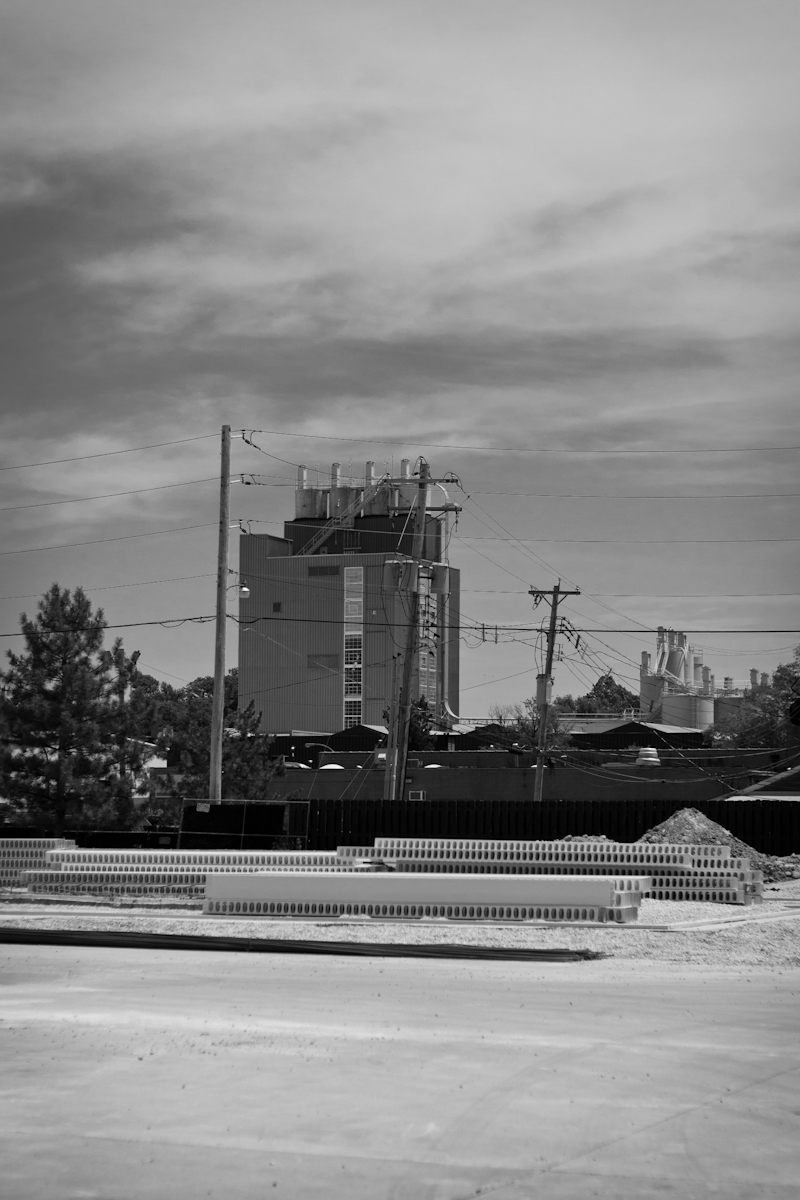
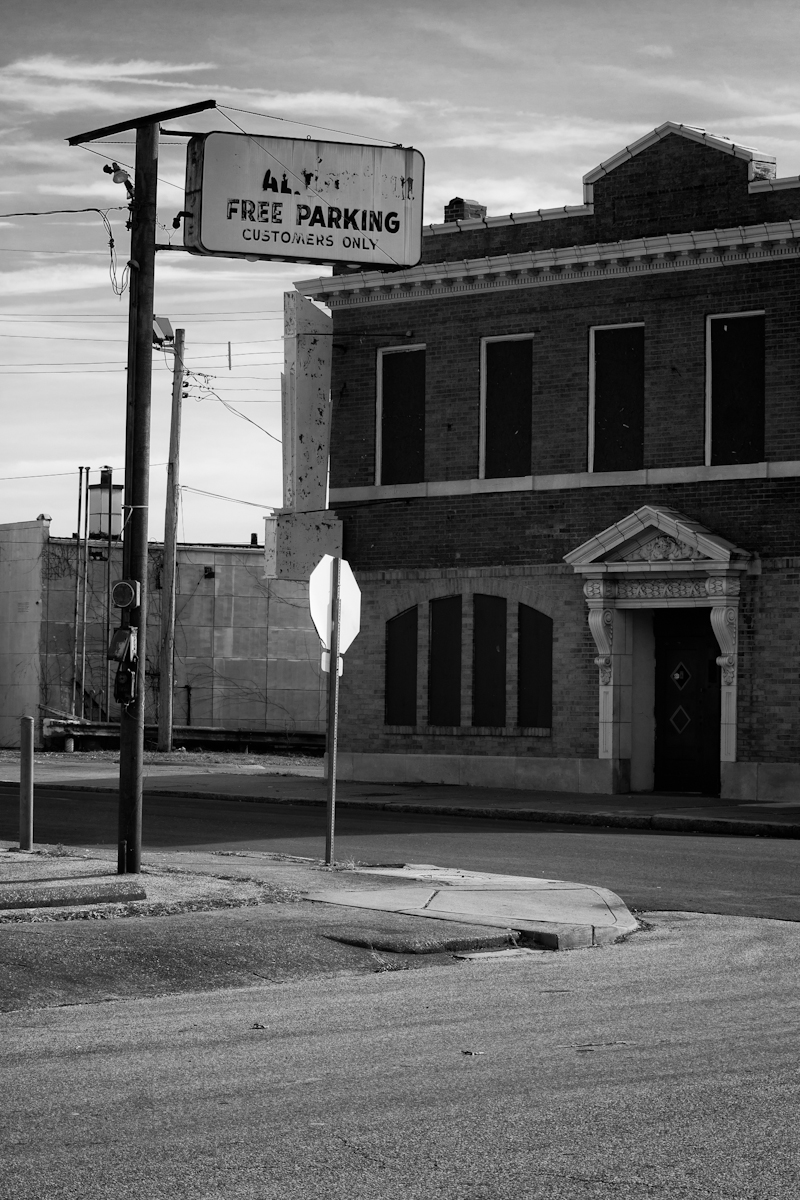
“Watching Time”

Image1

An island in the rust belt,
once perhaps a wayward
rhinestone jewel and now?

Image2

Some parts have seen
better times and some
have seen bitter times,…

Image3.jpg

…some hang around
like the ghosts of a
history of light and dark,…

Image4

…and some don’t see time
at all, but time sees them
and watches…..closely.

Image5

Like a rag or a bag snagged
on a stick in the river, some
parts moving, some standing still,…

Image6

…a city that seems at
times not to know where—
or even when—it is.


“Watching Time” poem and images by Johnny Crabcakes at A Prayer Like Gravity

Rebecca here: thank you, thank you to Johnny Crabcakes at A Prayer Like Gravity for these fine photographs and words. Together, they provide a window into the Rust Belt city of St. Louis, always changing, ever still. Please visit A Prayer Like Gravity for much more.

I’ve said before that my lack of talent with a camera has turned out to be a blessing. Wanting to feature regional photography here at Rust Belt Girl, I’ve turned to the experts–like Johnny Crabcakes; along with my fellow Northeast Ohio native, Johnny Joo, who specializes in abandonment photography at architecturalafterlife.com; and Michelle Cole, who posts her thoughts and photography at Intensity Without Mastery and who shared with Rust Belt Girl here and here what her life is like today in Lima, Ohio.

Want more photography? Check out my handy-dandy Categories.

Are you a photographer in a Rust Belt-ish place? I’d love to hear from you!